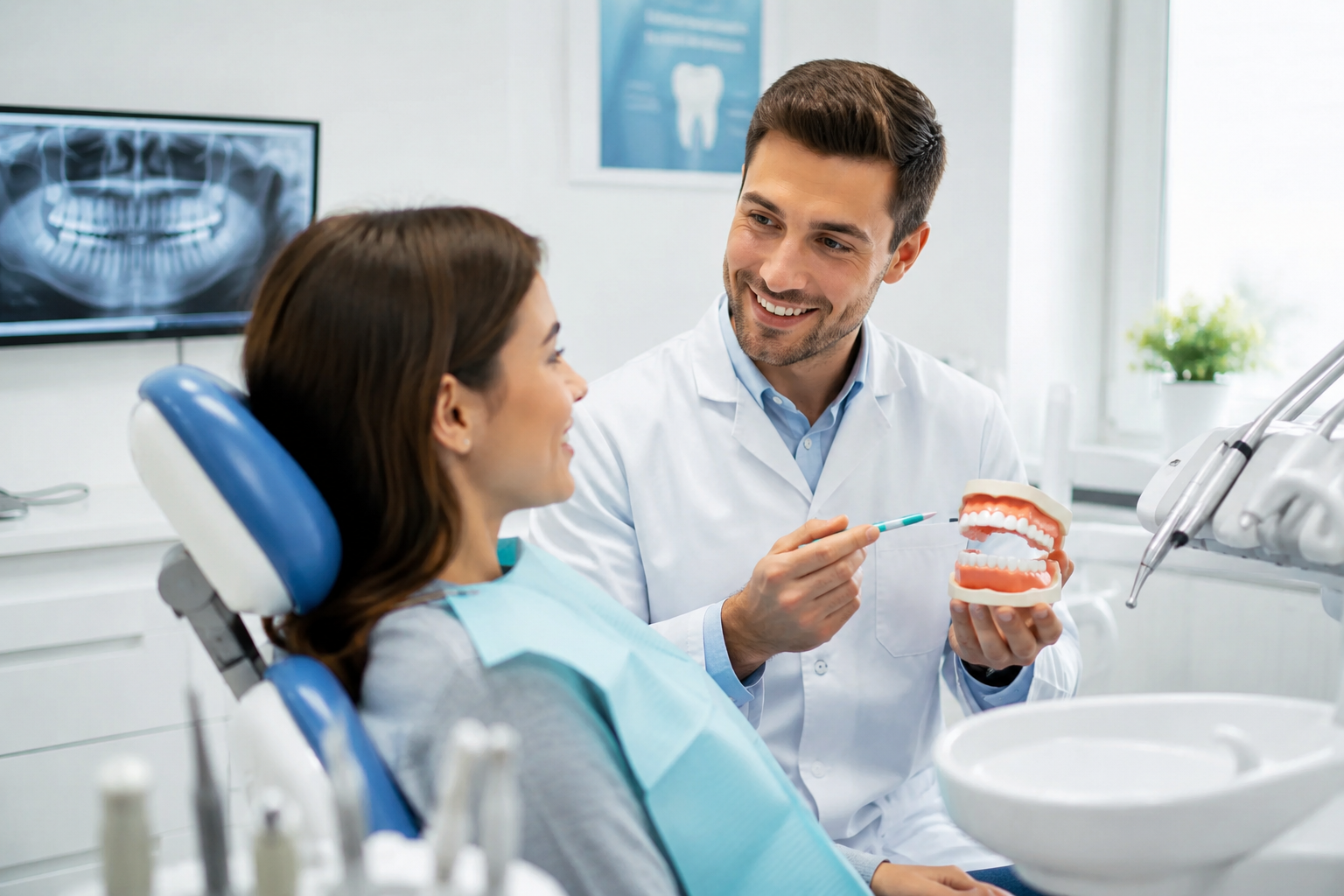
You want a pediatric dentist in Lititz, PA who makes dental visits calm, clear, and effective for your child. You can find specialized pediatric care in Lititz that focuses on prevention, comfort, and growth monitoring to set your child up for lifelong healthy smiles.
They explain why early dental care matters, what to expect at the first visit, and common treatments in plain language so you feel confident making decisions. You’ll also learn how offices handle anxiety, use modern technology, and support healthy habits at home, helping you choose a dental home that fits your family.
Early dental care sets the stage for healthy teeth, confident smiles, and fewer emergency visits. It helps identify bite issues, establishes a positive dental routine, and reduces the chance of tooth pain or infection later.
Pediatric dentists in Lititz assess development milestones, like tooth eruption patterns and jaw growth, starting around the child’s first birthday. They monitor for early signs of orthodontic need, such as crowding or crossbite, so simple interceptive measures can be planned before problems worsen.
Visits teach parents practical daily care: proper brushing technique for an infant, age-appropriate fluoride use, and safe bottle or sippy-cup habits to prevent decay. The office also offers behavior guidance to reduce dental anxiety through gentle communication, distraction tools, and short, predictable visits.
Insurance, preventive cleanings, and fluoride varnishes delivered early often lower long-term costs by avoiding fillings, extractions, or sedation. Regular checkups create a trusting relationship so children feel comfortable and parents receive timely, evidence-based advice.
Cavities form when bacteria feed on sugars and acids, attacking enamel—this process can begin as soon as the first tooth appears. Pediatric dentists apply topical fluoride and dental sealants to strengthen enamel and protect molars that are especially vulnerable to decay.
Caregivers receive concrete, actionable guidance: limit sugary drinks, avoid nighttime bottle feeding with milk or juice, and replace bedtime bottles with water. The dental team provides personalized feeding and toothpaste recommendations based on the child’s age, weight, and risk factors.
Risk assessment at each visit identifies high-risk children who may need more frequent cleanings, prescription fluoride, or nutritional counseling. These targeted interventions reduce cavity rates and preserve healthy primary teeth until natural exfoliation.
Appointments focus on comfort, preventive care, and building trust with staff. Parents receive clear guidance on baby teeth, oral hygiene, and any needed follow‑up treatments during the visit.
The dentist performs a relaxed, step‑by‑step oral exam tailored to the child’s age. For infants, the check may involve demonstrating how to clean gums and counting erupting teeth; for toddlers and preschoolers, the dentist inspects bite, tooth development, and checks for decay using a soft mirror and gentle lighting.
Cleanings use a child‑size toothbrush, non‑abrasive paste, and sometimes a flavored polish to remove plaque without discomfort. The hygienist explains flossing techniques for parents and may apply fluoride varnish to strengthen enamel; fluoride takes about one minute to set and poses minimal risk when applied correctly.
If X‑rays are needed, the practice uses digital sensors and low exposure settings, often limiting images to the fewest necessary. Staff explain the reason for each image and obtain parental consent before proceeding.
The waiting room and exam rooms are designed to reduce anxiety, with toys, books, and visuals sized for children. Staff greet families by name and use child‑appropriate language, avoiding unfamiliar dental terms to keep kids calm.
The office offers behavioral tools such as tell‑show‑do demonstrations, distraction techniques (books, music, or a favorite toy), and positive reinforcement like stickers or small rewards. For children with strong fear or special needs, the team discusses options in advance—short visits, sedation choices, or collaboration with caregivers—to create a tailored plan.
Appointment length is scheduled to match the child’s attention span; typical first visits last 30–45 minutes. Parents receive a written care plan and clear next steps for home care or follow‑up visits.
This section outlines practical options families commonly receive for protecting and restoring primary and early permanent teeth. It highlights preventive coatings, mineral-strengthening treatments, and safe restorative techniques used in modern pediatric practices.
Dental sealants are thin, protective coatings placed on the chewing surfaces of molars and premolars to block grooves where food and bacteria collect. A hygienist or pediatric dentist cleans and dries the tooth, applies an etching solution for better adhesion, rinses and dries again, then paints the liquid resin into the pits and fissures and hardens it with a curing light.
Sealants typically last 3–10 years with proper care and periodic checks at routine visits. They are especially recommended for children as soon as permanent first molars erupt (around age 6) and again for second molars (around age 12). Insurance often covers sealants for children; families should verify benefits with their carrier.
Benefits include a measurable reduction in decay risk on treated surfaces and an easy, noninvasive procedure that requires no anesthesia. Dentists may use fluoride-releasing sealants for added protection in high-risk patients.
Topical fluoride strengthens enamel by promoting remineralization and making teeth more resistant to acid attacks from bacteria. Pediatric dentists typically apply fluoride varnish during well-child dental visits; the dentist brushes the varnish on, it sets quickly, and the child can usually eat after a short waiting period.
Frequency depends on cavity risk. For low-risk children, twice-yearly treatments at regular checkups are common. For higher-risk children—those with a history of cavities, poor fluoride exposure, or special medical conditions—quarterly applications or prescription-strength gels may be recommended.
Side effects are rare when used appropriately; excessive ingestion can cause temporary stomach upset, so providers supervise application and advise caregivers on post-application care. Fluoride works best combined with daily brushing with fluoridated toothpaste and a balanced diet low in sugary snacks.
When a cavity forms, the dentist removes decayed tissue and restores tooth structure with a filling material to stop progression and restore function. Pediatric dentists often use tooth-colored composite resin for front and back teeth because it bonds to enamel, requires less removal of healthy tooth, and matches natural tooth color.
The procedure can be done with local anesthesia when necessary; for anxious or very young children, behavior guidance techniques or nitrous oxide may be used. For extensive decay in primary molars, stainless steel crowns provide durable full-coverage protection and are routinely placed in a single visit.
Aftercare includes avoiding sticky or hard foods for 24 hours if the filling is new, maintaining excellent oral hygiene, and attending recall visits to monitor the restoration. Early treatment prevents pain, infection, and possible need for more complex care like pulp therapy.
The practice prioritizes a calm, child-centered environment and practical techniques that reduce fear before and during dental visits. Staff use proven behavioral methods, distraction tools, and clear communication to build trust quickly.
Staff greet children by name and let them explore the operatory before treatment to reduce unfamiliarity. They use “tell-show-do”: explain a procedure in simple words, demonstrate on a puppet or mirror, then perform the step. This predictable routine lowers anxiety and increases cooperation.
Positive reinforcement plays a central role. Team members praise specific behaviors (e.g., “Great job keeping your mouth open”) and offer small rewards, which encourages repeated calm behavior. Parents may be coached to practice short, play-based role‑plays at home to familiarize the child with instruments and sounds.
Distraction techniques include kid-friendly headphones for music or cartoons, bubble wands, and virtual reality goggles where available. For children with developmental differences, the staff creates individualized plans—slower pacing, visual schedules, or sensory adjustments like dimmed lights and weighted lap blankets.
The office offers a stepped approach to sedation, choosing the least-invasive option that will achieve comfort and safety. Options typically include nitrous oxide (laughing gas) for mild anxiety, oral sedatives for moderate anxiety or longer procedures, and in select cases, general anesthesia arranged with a pediatric anesthesiologist for extensive treatment.
Nitrous oxide works quickly and wears off within minutes, allowing same-day discharge. Staff monitor oxygen saturation and responsiveness throughout the appointment and use age- and weight-based dosing for oral medications. Parents receive clear pre- and post‑sedation instructions: fasting times, medication adjustments, and activity restrictions.
Before any sedative is used, clinicians review medical history, current medications, and any breathing or sleep-breathing issues. They obtain informed consent, explain risks and expected effects in plain language, and schedule appropriate recovery time and follow-up.
Daily routines, consistent supplies, and clear expectations make a big difference for a child’s oral health. Small, specific changes at home reduce cavities and help children feel confident at the dentist.
Parents should brush a young child’s teeth twice daily with a smear (rice-grain) of fluoride toothpaste until about age 3, then a pea-sized amount from ages 3–6. Use a soft-bristled, age-appropriate brush and hold it at a 45-degree angle to clean along the gumline gently. Brush for two minutes; a simple song or a two-minute sand timer keeps timing consistent.
Around age 6–8, children can begin to brush independently while an adult supervises and finishes each session to ensure thoroughness. Floss once daily once adjacent teeth touch—usually when two teeth are in contact. Use floss picks or soft flossers for small fingers; reach below the gumline with a C-shape motion. If a child gags, try smaller flossers or pediatric waxed floss and practice in short steps until comfortable.
Focus on snacks that are low in sugar and low in stickiness. Good choices include plain Greek yogurt, cheese cubes, raw vegetables (carrot sticks, cucumber), apple slices, and whole grain crackers. These foods stimulate saliva and clear food particles without prolonged acid exposure.
Avoid sticky candies, dried fruit, and frequent sips of juice or sports drinks; these prolong sugar contact and raise cavity risk. If a child eats sugary treats, pair them with water or tooth-friendly foods and aim to have them with meals rather than as constant snacks. Keep a reusable water bottle available and suggest water between meals to rinse the mouth naturally.
Regular monitoring checks jaw alignment, tooth eruption timing, and bite patterns to catch issues early and guide preventive steps. The team measures, photographs, and documents growth at each visit to track trends and make timely recommendations.
The pediatric dentist records eruption timelines for primary and permanent teeth against age-based expectations. They note delayed eruption (e.g., a lower central incisor not present by 10–12 months) and early eruption patterns, which can signal nutritional, genetic, or space issues.
Examinations include intraoral photos and charting of tooth position, symmetry, and any ectopic eruption (teeth coming in off-angle). Parents receive clear guidance on expected next teeth, typical age ranges, and warning signs like persistent spacing that’s asymmetric or a tooth that has not emerged within several months of its expected window.
When crowding or premature loss of a baby tooth occurs, the dentist discusses space maintenance options such as a fixed or removable space maintainer, detailing duration and care. They explain how maintaining arch length prevents future crowding and simplifies orthodontic needs later.
The practice screens for malocclusions by age 7, checking molar relationships, crossbites, open bites, and jaw discrepancies through clinical exam and, when needed, cephalometric or panoramic x-rays. They describe specific findings in plain language: for example, an anterior crossbite means one or more upper front teeth sit behind the lowers when biting.
If early orthodontic issues appear, the dentist outlines concrete options: interceptive appliances to correct crossbites, expanders to widen narrow palates, or guided eruption strategies to help impacted teeth. Treatment goals focus on correcting functional problems, reducing trauma risk, and guiding jaw growth.
Families receive a timeline and cost overview for recommended steps, plus expected monitoring intervals (often every 6–12 months). The team emphasizes comfort during exams and encourages questions, offering written care instructions and scheduling follow-ups to reassess growth progress.
The practice uses digital X-rays and intraoral cameras to quickly diagnose issues with less radiation. These tools produce clear images so parents and children can see exactly what needs attention.
They offer laser dentistry for minor procedures, which often reduces discomfort and speeds healing. Lasers can be especially helpful for anxious children who benefit from gentler treatment.
Sedation options, from nitrous oxide to oral sedation, help children stay calm during longer visits. Staff explain each option and tailor the plan to the child’s age, health, and anxiety level.
Electronic health records streamline appointments and treatment plans, making follow-ups smoother. Parents can access records and care instructions easily, improving continuity between visits.
Preventive tech like fluoride varnish, sealants, and chairside education tools focus on keeping teeth healthy. These measures target cavities early and teach kids good habits with interactive, kid-friendly demonstrations.
A sample of advanced services:
The team explains options in simple terms and includes parents in decisions. They encourage questions and invite scheduling a consultation to discuss which technologies best suit a child’s needs.
Families in Lititz should look for a pediatric dentist who combines clinical skill with a calming, child-friendly approach. They value practices that prioritize preventive care, use modern equipment, and create a welcoming atmosphere to reduce anxiety.
Consider practical factors like office location, hours, insurance acceptance, and emergency availability. Parents often prefer a practice that offers same-day care for urgent issues and clear communication about costs and treatment options.
Ask about the team’s experience with children of different ages and special needs. Friendly staff, short wait times, and gentle behavior-management techniques make visits smoother and build long-term trust.
Look for services that support lifelong oral health: routine exams, fluoride and sealants, growth monitoring, and education on diet and brushing. Practices that involve parents in decision-making and provide clear home-care instructions help maintain healthy smiles between visits.
Use these quick questions when comparing offices:
They should call or visit offices to get a feel for the environment and meet the staff. Scheduling a consultation visit often helps families choose a dental home that feels right and encourages consistent, preventive care.
A pediatric dentist in Lititz, PA helps families build strong habits early so children grow up with confident, healthy smiles. Routine visits focus on gentle education, preventive treatments, and creating a positive dental experience that reduces anxiety over time.
They teach parents simple daily routines—brushing twice a day with fluoride toothpaste, flossing when teeth touch, and limiting sugary drinks. Visual demonstrations and age-appropriate tools make these steps easy for kids to follow.
Preventive services like sealants and fluoride varnish protect teeth during cavity-prone years. These quick, painless treatments complement home care and often prevent more extensive procedures later.
Pediatric dentists also guide parents on teething, thumb-sucking, and injury prevention. They offer clear timelines for orthodontic evaluations and referrals so alignment issues can be monitored and treated at the right time.
Practical tips help families stay on track:
Comfort and communication matter. Practices in Lititz emphasize friendly staff, child-centered exam rooms, and explanations that reduce fear for both kids and caregivers.
They invite questions and offer personalized plans based on each child’s needs. Parents are encouraged to call or schedule a consultation to discuss prevention, treatment options, or any concerns.
This section answers practical questions parents ask about choosing a pediatric dentist, preparing children for visits, cavity prevention, what happens during exams, managing anxiety, and comparing local offices in Lititz, PA.
Look for a dentist who is board-certified or a member of the American Academy of Pediatric Dentistry and who lists pediatric-specific training on their website. Confirm they offer preventive care, behavior guidance, and emergency services.
During the first visit, observe the office’s child-focused environment, staff demeanor, and exam approach. The dentist should perform a gentle oral exam, explain findings in simple terms, and give a clear plan for cleaning, fluoride, and any follow-up.
Schedule the first appointment by the child’s first birthday or within six months of the first tooth erupting. Early visits establish a dental home and allow the dentist to spot early issues.
Prepare the child with calm, positive language and a short, upbeat explanation about “counting teeth.” Read a children’s book about the dentist and avoid using scary words. Bring a favorite toy and arrive with the child well-rested.
Brush twice daily with a smear of fluoride toothpaste for children under 3 and a pea-sized amount for ages 3–6. Limit sugary snacks and drinks, encourage water, and consider dental sealants for permanent molars.
Most children need cleanings and exams every six months, but the dentist may recommend more frequent visits for high-caries risk or orthodontic monitoring.
A pediatric exam includes checking teeth, gums, bite, and oral development, plus professional cleaning if needed. The dentist discusses growth, diet, and home care, and documents any concerns or treatment plans.
X-rays use low-dose digital sensors and lead aprons to minimize exposure. The dentist follows ALARA (as low as reasonably achievable) guidelines and only takes images when clinically necessary.
Pediatric dentists use tell-show-do, positive reinforcement, distraction, and parental presence to reduce anxiety. Many practices offer nitrous oxide (laughing gas) for mild sedation and oral sedation or general anesthesia for more extensive treatment when needed.
Discuss anxiety history before the appointment so the team can plan accommodations or a pre-visit meet-and-greet to build trust.
Check Google and Yelp reviews for consistent themes about punctuality, staff kindness, and treatment outcomes rather than single extreme comments. Look at each office’s website for services offered (fluoride, sealants, emergency care), photos of treatment rooms, and staff credentials.
Call offices to ask about appointment availability, accepted insurance, office tours, and specific child-friendly amenities such as play areas, TVs during treatment, or bilingual staff.
