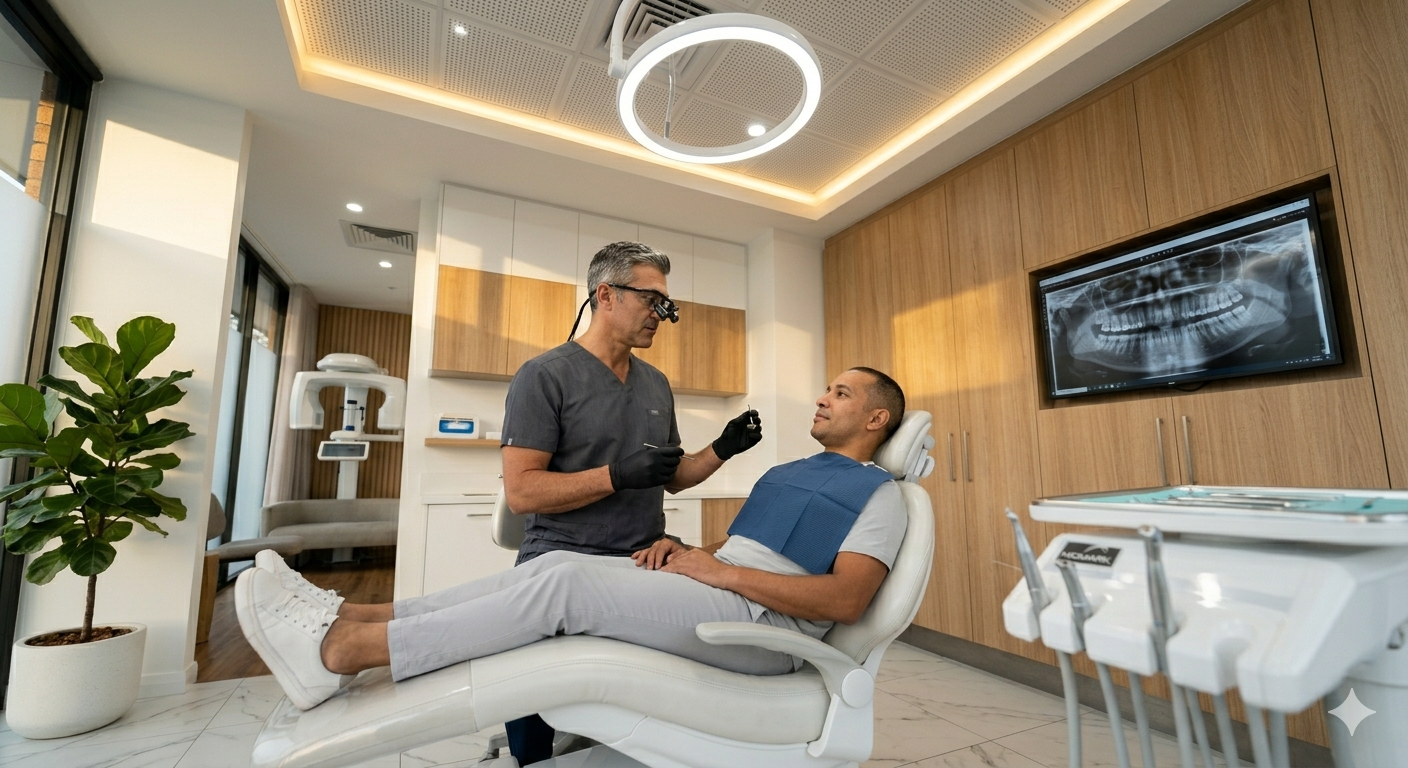
When a dental emergency strikes in Lititz, PA, knowing where to turn quickly makes all the difference. Accidents, sudden pain, or broken teeth can happen anytime, and having access to an emergency dentist ensures prompt care that prevents further problems. An emergency dentist in Lititz is ready to provide immediate relief and expert treatment when urgent dental issues arise.
Many people hesitate to seek emergency dental care because they worry about the cost or availability. However, these dentists understand the stress involved and focus on patient comfort, offering solutions that ease pain and restore oral health efficiently. Whether it’s a chipped tooth, severe toothache, or lost filling, emergency dentists use modern techniques to handle these situations with care.
If someone in Lititz faces a dental emergency, it’s important to recognize the signs and act quickly. Finding a trusted emergency dentist nearby gives peace of mind, knowing professional help is available when it matters most. Reaching out early can save time, reduce discomfort, and protect long-term dental health.
Dental emergencies involve situations where immediate care is necessary to relieve pain, stop bleeding, or prevent permanent damage. Recognizing these conditions early can help patients get timely treatment and avoid complications.
Dental emergencies often include severe toothaches, which can signal infection or damage needing prompt attention. A knocked-out tooth demands urgent care to increase the chance of saving it.
Other emergencies are cracked or fractured teeth that cause pain or bleeding and abscesses that may lead to swelling and serious infection if untreated. Lost fillings or crowns, while less urgent, still require timely repair to protect the tooth.
Soft tissue injuries inside the mouth, such as cuts or bites to the tongue, cheeks, or lips, also count as emergencies if bleeding doesn’t stop quickly.
Intense, persistent tooth pain that doesn’t improve with over-the-counter painkillers is a clear sign to seek help. Swelling around the face or jaw may indicate infection spreading beyond the tooth.
Uncontrolled bleeding after an injury or dental procedure is another urgent symptom. Difficulty breathing or swallowing linked to a dental issue requires immediate medical attention.
Visible damage such as a broken tooth causing sharp edges or a partially dislodged tooth also signals the need for quick treatment to prevent further harm.
Patients should call an emergency dentist right away if they experience severe pain, ongoing bleeding, or trauma to the mouth. Immediate consultation can often mean the difference between saving and losing a tooth.
If swelling worsens rapidly or a fever develops alongside oral pain, contacting a dental professional quickly prevents infections from becoming dangerous.
For lost restorations or minor trauma with no severe pain, scheduling an urgent appointment the same day is recommended to maintain oral health and avoid more complex problems later.
Access to prompt and skilled dental care is vital when emergencies strike. Choosing a local emergency dentist ensures timely treatment, personalized care, and a deep understanding of the community’s unique health needs.
A local emergency dentist in Lititz offers faster appointment availability compared to distant providers. Immediate care reduces pain and prevents complications like infections or tooth loss.
Local dentists are familiar with patient histories and common regional dental issues. This familiarity helps tailor treatments effectively. Additionally, they often have relationships with nearby specialists for quick referrals if needed.
Choosing local care means less travel stress during a crisis. This convenience supports better outcomes and faster recovery, especially for those managing busy schedules or family needs.
Dentists in Lititz focus on community wellness through both emergency and preventive care. They prioritize patient comfort, using gentle techniques and modern equipment designed to ease anxiety during urgent procedures.
Many local providers actively engage with residents, offering educational resources on oral health emergencies. This community-centered approach helps patients recognize signs needing urgent attention and encourages regular check-ups to reduce emergencies.
Patients find trust in welcoming offices where staff understand the area’s demographic and lifestyle factors. This relationship builds confidence in treatment decisions and long-term dental health plans.
Emergency dentists in Lititz maintain flexible hours, including evenings and weekends, to accommodate urgent dental needs outside regular office times. This makes care available when pain or injury can’t wait.
Clinics are strategically located within the town, reducing travel time during emergencies. Easy access via main roads and public transportation supports prompt visits.
Quick response protocols are in place to prioritize real emergencies. Patients receive immediate triage and care plans, which help to stabilize conditions efficiently and avoid unnecessary delays.
Knowing how to respond quickly and effectively can make a big difference during a dental emergency. Simple, practical actions can help reduce pain, prevent further damage, and improve outcomes before reaching the dentist.
For a knocked-out tooth, handle it by the crown (the chewing surface), not the root. If possible, rinse it gently with water but avoid scrubbing. Place the tooth back into the socket or keep it moist in milk or saline solution until you see the dentist.
In case of a chipped or fractured tooth, rinse the mouth with warm water to clean the area. Use a cold compress on the outside of the cheek to reduce swelling. Save any tooth fragments and bring them to your emergency visit.
Over-the-counter pain relievers like ibuprofen can reduce pain and inflammation effectively. Avoid aspirin as it may increase bleeding. A cold compress applied in 15-minute intervals helps control swelling and numbs the pain.
Keeping the head elevated minimizes throbbing. Avoid hot or cold drinks if temperature sensitivity causes discomfort. Soft, bland foods are easier to eat until professional treatment stabilizes the injury.
Do not try to push a displaced tooth back in forcefully; it may cause further harm. Avoid hard, crunchy, or sticky foods that can aggravate damaged teeth.
Stay away from using cotton or other materials directly on the injury without guidance, as it can irritate tissue or worsen swelling. Do not delay contacting your emergency dentist, even if pain temporarily decreases.
Emergency dental care focuses on quickly relieving pain, preserving natural teeth, and preventing further damage. Treatments can vary widely depending on whether a tooth is lost, broken, or causing severe discomfort. Prompt action often makes a significant difference in outcomes.
When a tooth is knocked out, time is critical. The best chance to save the tooth is to see a dentist within 30 minutes. The dentist will gently clean the tooth and try to re-implant it into the socket.
Patients should handle the tooth by the crown, not the root, and keep it moist—either in milk or saliva—while rushing to the dentist. After re-implantation, the tooth is usually stabilized with a splint for a few weeks. Follow-up care includes monitoring for infection and nerve health.
Broken or cracked teeth can cause sharp pain and sensitivity, especially when chewing or exposed to temperature changes. Treatment depends on the severity. Small chips may only require smoothing or bonding.
For larger cracks or breaks, the dentist might use crowns, root canals, or extractions. If the tooth’s nerve is exposed, pain relief and protection from infection become urgent priorities. Temporary fillings or sedative dressings may be placed to reduce discomfort until a permanent solution is possible.
Severe toothaches often signal infection, deep decay, or inflammation. Dentists first identify the exact cause through examination and X-rays. Pain relief typically involves cleaning infected areas or draining abscesses.
Root canal therapy is a common response to save a tooth with infected pulp. In some cases, extraction may be the safest option if the damage is extensive. Patients are advised to avoid unprescribed pain meds and contact their emergency dentist immediately for proper diagnosis and treatment.
During a dental emergency visit in Lititz, the dentist focuses on quick relief, clear explanations, and guidance for healing. Patients can expect a calm environment where comfort and understanding are priorities.
From the moment patients arrive, the dentist and staff prioritize easing pain and reducing anxiety. They use gentle techniques and offer options like numbing gels or local anesthesia, ensuring minimal discomfort during examination and treatment.
Comfort extends beyond pain control. The office typically has amenities such as soft seating and a calm atmosphere to help patients feel at ease. The dentist listens carefully to symptoms and concerns, creating a supportive space where patients feel heard.
Each step is explained clearly, with frequent check-ins to adjust comfort levels. This approach helps reduce stress and makes urgent dental care more manageable.
After assessing the problem with X-rays or a physical exam, the dentist outlines treatment options in plain language. Whether it’s a tooth extraction, root canal, or temporary filling, the patient learns what each step involves.
The dentist highlights timelines, expected sensations, and any necessary follow-ups. This transparency helps patients understand exactly what will happen and why, reducing fear of the unknown.
Costs and insurance details are also reviewed upfront, so there are no surprises. The dentist answers all questions, encouraging patients to feel confident about their care choices.
Once treatment is complete, patients receive specific instructions for care at home. These include pain management tips like using ice packs or recommended over-the-counter medications.
Diet suggestions are important—soft foods and avoiding extreme temperatures help protect treated areas. Oral hygiene advice emphasizes gentle brushing and rinsing to prevent infection and promote healing.
The dentist also provides warning signs to watch for, such as swelling or prolonged pain, and clear instructions on when to return for follow-up visits. This support helps patients recover comfortably and safely.
Emergency dental care today relies heavily on advanced tools that speed up diagnosis and reduce discomfort. These innovations allow dentists to quickly identify problems and provide effective treatment with less impact on the patient. Comfort and accuracy are key benefits of the latest dental technology.
Digital X-rays offer a clear, real-time view of teeth and gums with significantly less radiation than traditional films. This technology allows dentists to spot fractures, infections, or decay instantly during an emergency visit.
Because digital images are available immediately, treatment plans can start right away. Patients don’t have to wait days for lab results, which is vital during painful or urgent cases. The high resolution of these digital images improves accuracy, helping to tailor treatment specifically to the problem.
Digital X-rays also facilitate better communication. Dentists can easily show patients the problem areas and explain the next steps, easing anxiety and building trust.
Modern emergency dentistry focuses on preserving as much natural tooth structure as possible. Tools like laser dentistry and air abrasion offer gentle ways to treat decayed or damaged teeth without the drill’s noise and vibration.
Laser technology can remove diseased tissue and kill bacteria with precision, reducing bleeding and swelling. It often means faster healing times and less discomfort after treatment. Air abrasion uses a fine stream of particles to clean cavities, avoiding the heat and pressure traditional methods cause.
These minimally invasive options support patient comfort and reduce treatment time, allowing quicker relief from dental pain and emergencies. They also improve outcomes, especially for sensitive patients or children who may feel anxious during dental visits.
Taking proactive steps can greatly reduce the chance of sudden dental problems. Consistent care, protective measures during physical activities, and routine dental visits form the foundation of a strong defense against emergencies.
Daily care habits play a crucial role in preventing dental emergencies. Brushing twice a day with fluoride toothpaste removes plaque and reduces the risk of decay. Flossing daily clears debris between teeth where a brush can’t reach, stopping cavities before they start.
Limiting sugary snacks and drinks helps prevent enamel erosion and tooth decay. Drinking plenty of water supports saliva production, which naturally protects teeth. If a person notices any sensitivity or minor discomfort, addressing these early can prevent issues from worsening.
Using a properly fitted mouthguard during sports is essential to avoid cracked teeth and jaw injuries. Custom mouthguards, made by a dentist, offer better comfort and protection compared to store-bought versions.
Children and adults involved in contact sports should wear mouthguards even during practice. Wearing helmets with face shields adds extra safety. Avoid chewing ice, pens, or hard foods during activities to reduce the risk of breakage.
Scheduling dental check-ups every six months helps catch potential problems early. Dentists can identify small cracks, cavities, or gum inflammation before they become emergencies.
Professional cleanings remove hardened plaque that regular brushing misses. Dentists also provide personalized advice for improving oral hygiene and may recommend treatments like sealants to reinforce teeth. Staying consistent with visits builds a relationship so patients feel comfortable reaching out at the first sign of trouble.
Finding a dependable emergency dentist means focusing on key qualities that ensure fast, effective care and positive patient experiences. The right dentist will combine skill, accessibility, and compassionate service to put you at ease during an urgent dental issue.
An emergency dentist should offer extended hours including nights and weekends to handle unexpected problems. Quick response time matters—patients want prompt appointments and minimal waiting.
Look for dentists with advanced technology like digital X-rays and same-day crowns to speed diagnosis and treatment. Comfort is crucial too; offices that emphasize gentle care and pain management help reduce anxiety.
Board certification and relevant training in emergency dentistry indicate a provider’s expertise. Also, check if they handle a variety of emergencies, from toothaches to cracked teeth, to ensure comprehensive care.
Reviews from local patients provide insight into real experiences. Positive feedback often highlights the dentist’s patience, clear communication, and effectiveness under pressure.
Patients appreciate when staff are kind and understanding during stressful moments. Comments about clean, welcoming facilities and swift relief from pain also appear frequently.
Reading multiple patient testimonials can reveal consistent strengths or weaknesses. Real stories help build trust and guide decisions when choosing an emergency dentist for urgent dental needs.
When a dental emergency strikes in Lititz, PA, knowing where to turn can make all the difference. The first step is calling an emergency dentist who offers prompt care and understands the urgency of your situation.
Many emergency dentists provide same-day appointments to quickly address pain, broken teeth, or infections. They focus on relief and comfort while using modern tools to stabilize the problem efficiently.
Before your visit, it helps to note any symptoms and how the injury occurred. This information allows the dentist to diagnose faster and choose the best treatment. Keeping a calm mindset also helps during what can feel like a stressful time.
Here’s what to expect when seeking emergency dental care:
| Step | What Happens |
|---|---|
| Initial Call | Schedule appointment and get advice |
| Office Arrival | Rapid assessment and pain management |
| Treatment | Repair or stabilize the issue |
| Follow-Up | Plan for continued care or prevention |
By taking action quickly, patients in Lititz can avoid complications and find relief sooner. If pain or trauma to the mouth occurs, reaching out to a trusted emergency dental office is the best next move.
Knowing when to seek urgent care can prevent complications and reduce pain. Some injuries need immediate attention, while others can wait until regular office hours without risk.
Severe pain, uncontrolled bleeding, or swelling are true emergencies. A loose filling or mild sensitivity usually can wait until the next day.
Rinse with warm salt water and take over-the-counter pain relievers. Avoid very hot, cold, or sugary foods until a dentist can evaluate the problem.
ERs can manage pain and serious infections but typically won’t treat dental issues directly. Follow up with a dentist for proper diagnosis and treatment as soon as possible.
Rinse the mouth gently and save any broken pieces or the entire tooth. See an emergency dentist immediately; quick care increases the chance of saving the tooth.
Seek emergency care right away. Swelling and infection can spread rapidly and may require antibiotics or drainage to prevent serious health problems.
Look for emergency dental clinics or call local dentists who accept walk-ins. Many offices provide same-day appointments for urgent cases, especially in areas like Lititz, PA.
