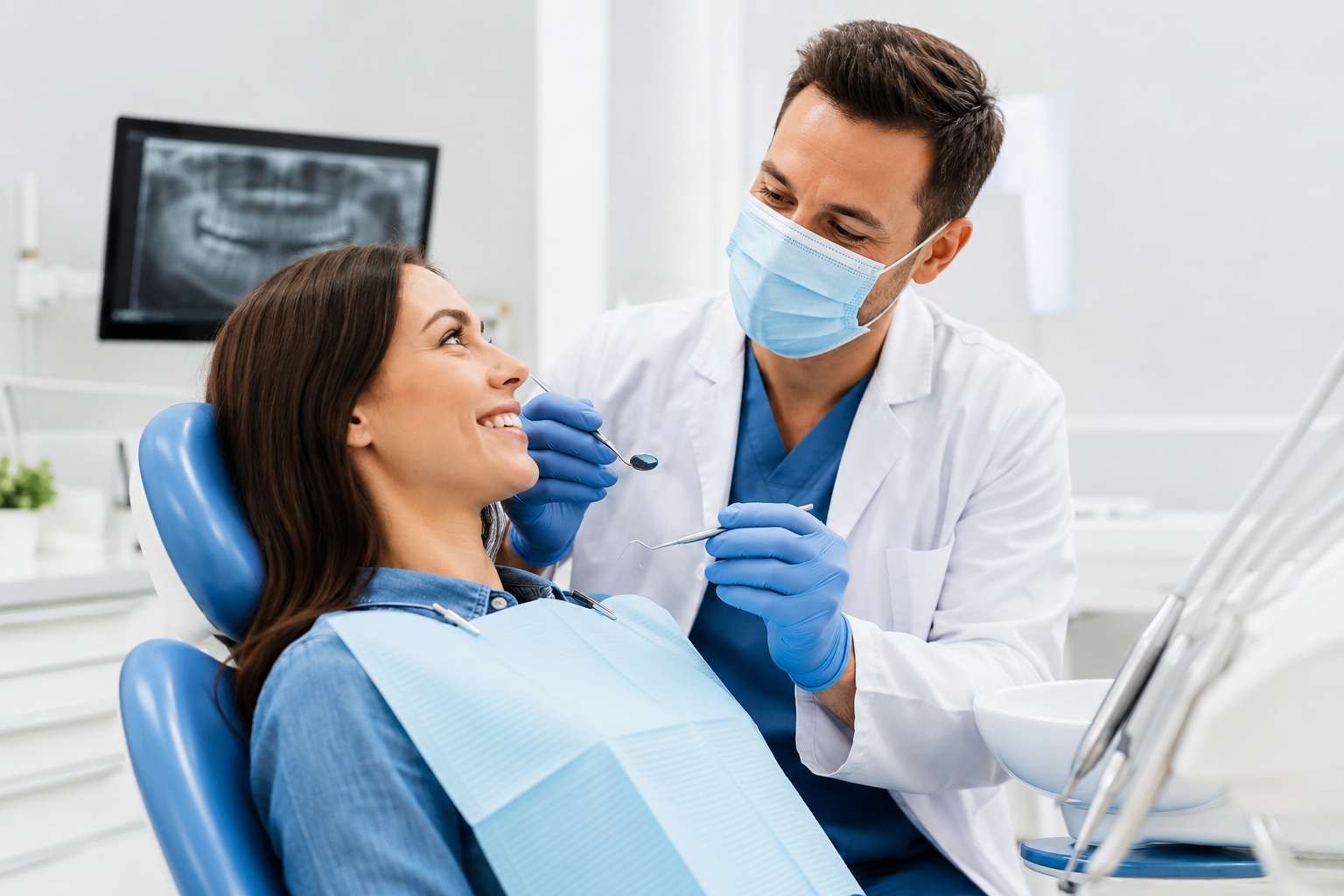
Thinking about dental implants in Lititz but worried about cost? You’ll find clear, practical options that balance quality care and affordability close to home. Affordable implant choices in Lititz can fit many budgets without sacrificing modern techniques, experienced providers, or long-term results.
They’ll explain what implants do, what affects price, and which local practices offer transparent plans, payment options, or phased treatment to spread costs. Expect straightforward guidance on the process, common concerns, and how to pick a trusted dental team so you can plan confidently for a healthier, more comfortable smile.
Dental implants replace missing teeth with a durable artificial root and a prosthetic crown, restoring chewing, speech, and appearance. They require a surgical placement into the jawbone and a healing period before the final restoration is attached.
A dental implant is a small titanium post that acts like a tooth root when placed into the jawbone. The most common type is an endosteal implant, used for single-tooth replacement, bridges, or to anchor dentures.
An implant has three parts: the titanium implant body, an abutment that connects the implant to the crown, and the visible crown made of porcelain or zirconia. Titanium integrates with bone through osseointegration, which provides stability similar to a natural root.
Implants differ from implants-supported dentures and mini implants by size and load-bearing capacity. Proper candidate assessment includes bone volume, gum health, medical history, and smoking status. Imaging like CBCT helps plan placement precisely.
A clinician first evaluates bone density and implant site with X-rays or CBCT to determine implant size and angulation. If bone is insufficient, procedures such as bone grafting or sinus lift may precede implant placement.
During surgery, the dentist or oral surgeon places the titanium post into the jawbone and covers it to heal for 3–6 months while osseointegration occurs. After healing, the abutment is attached and the final crown is fabricated to match adjacent teeth.
Implants transmit chewing forces to bone, helping preserve jawbone volume that otherwise resorbs after tooth loss. With proper hygiene and regular dental visits, well-placed implants can last decades.
Implants provide superior stability compared with removable dentures, eliminating slipping and improving chewing efficiency. Patients often report clearer speech and increased comfort versus conventional dentures.
Compared to fixed bridges, implants do not require grinding down adjacent healthy teeth. That preserves natural tooth structure and reduces the risk of decay in neighboring teeth.
Long-term bone preservation is a key advantage: implants stimulate the jawbone, slowing surface bone loss that occurs with missing teeth. Maintenance is similar to natural teeth—daily brushing, flossing, and professional cleanings—which keeps costs and complications lower over time.
Several clear elements drive implant pricing: the implant material and related lab or technology fees, how many implants and any preparatory procedures are needed, and the skill level and staffing at the dental practice. Each factor changes the total cost and can affect treatment time, comfort, and long-term outcomes.
Implant cost depends first on the implant brand and material. Titanium implants from established manufacturers usually cost less than newer zirconia or ceramic systems, which may carry higher lab and inventory fees. More expensive systems can offer improved aesthetics or specific surface treatments that promote faster bone integration.
Additional technology affects price as well. Cone-beam CT scans, guided-surgery planning software, and in-office milling or CAD/CAM crowns add fees but often reduce chair time and improve fit. Custom abutments and high-quality porcelain or layered ceramic crowns increase lab costs compared with stock abutments and simpler crowns.
Practices that invest in digital workflows—3D scanning, virtual planning, and surgical guides—pass some of those costs to patients but also reduce surgical risk and adjustment appointments. Patients prioritizing durability and aesthetics should weigh material and tech upgrades against budget.
Single-tooth implants cost far less than full-arch reconstructions because they require fewer components and simpler surgery. A typical single implant with a crown involves one implant, one abutment, and one crown; full-arch options like All-on-4 require multiple implants, larger prostheses, and more labor, so they raise the total substantially.
Site preparation also alters price. Bone grafting, sinus lifts, or extractions before implant placement add procedural costs and healing time. Immediate-placement implants that combine extraction and implant in one visit can save steps but require favorable bone conditions and may cost more for the surgical complexity.
Multiple adjacent implants sometimes lower per-tooth cost by sharing abutments or prosthetic frameworks. Insurance coverage, financing, and bundled treatment packages also influence the out-of-pocket expense for varying implant types.
The clinician’s training and experience directly affect fees. Specialists such as oral surgeons and periodontists typically charge more for implant surgery than general dentists because of advanced surgical training and referral-based practice patterns.
A team that includes in-house prosthodontists, lab technicians, and sedation-trained staff increases comfort and coordination but raises operational costs. Conversely, practices that outsource lab work or use general dentists for placement may be less costly but could require more follow-up visits.
High-volume implant practices can offer competitive pricing through efficiency and negotiated lab rates. Patients should evaluate credentials, before-and-after cases, and complication-management protocols rather than choosing on price alone. A consultation will clarify clinician experience and expected costs.
This section explains practical ways patients manage implant costs, including payment plans, insurance realities, and local programs that reduce out-of-pocket expense. It highlights concrete options available in Lititz so readers can take the next step with realistic expectations.
Many Lititz dental offices partner with third-party lenders like CareCredit and LendingClub to offer 6–60 month plans. These plans often feature low- or no-interest promotional periods for qualified applicants, which can spread a $2,000–$5,000 implant case into manageable monthly payments.
Dental practices also provide in-office payment plans that require a down payment (commonly 10–30%) followed by fixed monthly installments. These plans usually avoid credit checks and may allow flexible terms tailored to the patient’s budget.
Patients should request a written cost breakdown showing implant components—implant fixture, abutment, crown—and separate charges for imaging or bone grafting. Comparing the total financed amount, fees, and the provider’s experience helps avoid surprises and ensures value for money.
Most traditional dental insurance plans in Lititz classify implants as major restorative procedures and may provide partial coverage or exclude implants entirely. Patients should review policy details or call the insurer to confirm annual maximums, waiting periods, and any required preauthorization.
Some employer-sponsored plans or dental PPOs will contribute toward the crown portion but not the implant fixture. In those cases, filing a pre-determination can clarify what the insurer will pay and reduce unexpected bills.
Patients can use a Health Savings Account (HSA) or Flexible Spending Account (FSA) to pay pre-tax for eligible implant-related expenses, including surgery and prosthetics. Keeping itemized receipts and a letter of medical necessity from the dentist improves reimbursement chances.
Local clinics and dental schools sometimes host reduced-fee implant clinics or charity events for qualifying residents in Lancaster County. Patients should check notices from the Lancaster County Dental Society or community health centers for scheduled programs.
Some private Lititz practices run seasonal specials, free consultations, or discounted initial imaging to lower upfront costs. Asking about package pricing for implant + crown can reveal bundled discounts not listed on websites.
Senior discounts, military or veteran benefits, and membership plans offered by some local dentists can cut costs further. Patients should call offices directly, describe financial concerns, and request available discounts or a payment checklist before scheduling treatment.
Look for a practice that combines proven experience, modern equipment, and a patient-centered approach. These elements together make implants predictable, comfortable, and aligned with each patient’s budget and goals.
Patients should check a practice’s credentials beyond basic licensure. Look for dentists with ADA membership, board certifications in oral surgery or implantology, and continuing education in implant systems such as Nobel Biocare, Straumann, or Zimmer. Those affiliations signal ongoing training and access to current protocols.
Reputation matters locally. Read recent Google and Yelp reviews, but weigh verified patient comments more heavily than single-star outliers. Ask the office for before-and-after photos and contact information for patients willing to share experiences.
Verify procedural volume. Practices that place and restore many implants each year tend to manage complications and timelines better. Confirm whether the same clinician handles both surgery and restoration or if a coordinated team approach exists.
Confirm that the office uses 3D cone-beam CT (CBCT) for implant planning; this reduces surprises and improves implant placement accuracy. Digital impressions and CAD/CAM restorative workflows shorten treatment time and often mean fewer try-ins.
Look for on-site sterilization, sedation options (oral, IV, or nitrous oxide), and effective pain-management protocols. These features reduce anxiety and improve recovery. A practice that uses guided surgery templates shows investment in precision.
Evaluate the office environment for comfort: private consult rooms, sedation screening, and clear post-op instructions. Ask whether follow-up imaging is included in the fee and how emergencies are handled after hours.
A clear, individualized treatment plan should include diagnosis, option costs, timelines, and contingency steps for grafting or extractions. Practices that present itemized estimates and financing options make affordability transparent.
Seek clinics that perform comprehensive evaluations: oral health, bone volume assessment, bite analysis, and medical history review. Personalized plans consider smoking, diabetes, and medications that affect healing, adjusting protocols accordingly.
Communication matters. The best practices provide written care plans, numbered steps for each visit, and a single point of contact for questions. This reduces confusion and helps patients compare real costs and outcomes before committing.
This section explains how dentists evaluate candidacy, what happens during implant surgery, and the timeline for healing and follow‑up care. It focuses on practical steps, typical timelines, and what patients should bring or plan for.
The dentist conducts a detailed oral exam, including dental X-rays and a CBCT scan when needed, to measure bone volume and locate vital structures. They review medical history, current medications, and habits like smoking that can affect healing.
A treatment plan lists the number of implants, recommended implant type (e.g., titanium or zirconia), and whether bone grafting or sinus lift is required. The clinic provides a written estimate covering implant posts, abutments, crowns, imaging, and any grafting so patients can compare costs.
The dentist discusses anesthesia options—local, local plus nitrous oxide, or IV sedation—and explains risks such as infection, nerve irritation, or implant failure. Patients receive preoperative instructions: avoid smoking, fast if sedation is planned, and arrange transport home after IV sedation.
On the day of surgery, the area receives local anesthesia; sedation is added if chosen. The dentist makes a small incision in the gum, drills a pilot hole in the jawbone, and places the implant post with controlled torque to ensure primary stability.
If immediate teeth replacement is possible, the clinician may attach a temporary crown or denture the same day; otherwise the site is closed with sutures and allowed to heal. Bone grafts, when placed, may use autograft, allograft, xenograft, or synthetic material depending on the defect.
Procedure time varies: a single implant often takes 30–60 minutes, while multiple implants and grafting can take 2–3 hours. The office provides clear aftercare instructions, a prescription for pain control or antibiotics if indicated, and emergency contact information.
Osseointegration—the process where bone fuses to the implant—typically takes 3–6 months in the lower jaw and 4–6+ months in the upper jaw. Smoking, uncontrolled diabetes, and poor oral hygiene can prolong or compromise healing.
Follow-up visits occur at 1–2 weeks to remove sutures and check soft tissue, then at intervals (6–12 weeks) to monitor bone integration. Once integration is confirmed, the dentist places an abutment and takes impressions for the final crown or prosthesis.
Patients should follow a soft-food diet for 1–2 weeks, practice gentle cleaning around the site, and use any prescribed antimicrobial rinse. Regular dental exams and professional cleanings every 3–6 months help maintain implant health and detect complications early.
Daily cleaning, mindful eating, and scheduled professional care help implants last. Small habits—consistent brushing, avoiding hard foods, and attending checkups—protect the implant, gum, and surrounding bone.
Brush twice daily with a soft-bristled toothbrush and low-abrasive fluoride toothpaste to remove plaque without scratching implant crowns. Use 2 minutes per session and pay attention to the gumline where the crown meets gum tissue.
Floss every day using implant-safe floss, a floss threader, or interdental brushes sized to fit the space. Slide gently along the side of the implant and avoid snapping motions that can irritate tissue.
Add an antimicrobial mouthrinse once daily if recommended by the dentist, especially for patients with a history of gum disease. Rinse for 30 seconds and do not swallow.
Consider an electric toothbrush with a pressure sensor to prevent overbrushing. Replace brush heads every three months or sooner if bristles fray.
Avoid very hard items like ice, hard candy, and uncut bones that can chip crowns or stress the implant-abutment connection. Cut crunchy or tough foods into smaller pieces and chew on the opposite side when possible.
Limit sticky sweets and high-sugar snacks that increase plaque risk. Rinse with water after sugary or acidic foods to reduce acid exposure to gums and crowns.
Quit smoking or using tobacco; tobacco increases the risk of implant failure and delays healing. If quitting is difficult, discuss cessation resources with the dental team.
Control bruxism (teeth grinding) with a custom night guard if recommended. Grinding concentrates force on implants and can loosen screws or fracture restorations over time.
Schedule professional exams and cleanings every 3–6 months as advised by the implant dentist, especially during the first year after placement. The dentist or hygienist will check implant stability, soft tissue health, and occlusion.
Expect periodic X-rays (usually annually or as directed) to monitor bone levels around the implant. Early detection of bone loss allows less invasive interventions.
Have the implant restoration checked for loose screws, wear, or porcelain/chair-side damage during regular visits. If a crown feels loose, call the office promptly to prevent complications.
Maintain records of implant brand, implant size, and abutment type; bring this information to appointments or referrals. It helps the dental team provide targeted maintenance or repairs.
Many patients worry about pain, how long implants last, and whether they qualify. Clear facts about recovery, maintenance, and eligibility help readers make informed decisions and reduce anxiety.
Many patients imagine implant surgery as extremely painful. In reality, dentists use local anesthesia and often conscious sedation to prevent pain during the procedure. Postoperative discomfort usually resembles soreness after a routine tooth extraction and is manageable with over-the-counter pain relievers or short courses of prescription medication when needed.
Swelling or mild bruising can appear for 48–72 hours and then improve. Most people return to normal activities within a few days, while chewing on the implant site is usually limited until healing progresses. If severe or increasing pain occurs, it signals a problem such as infection or implant failure and requires prompt dental follow-up.
Dental implants are made from titanium or zirconia and integrate with jawbone, providing a stable, long-term tooth replacement. With proper oral hygiene — brushing twice daily, flossing, and regular dental checkups — implants commonly last decades. Crowns attached to implants may need replacement every 10–15 years due to wear, but the implanted posts often remain functional much longer.
Risk factors that reduce longevity include untreated gum disease, heavy smoking, uncontrolled diabetes, and poor oral hygiene. Dentists evaluate these factors beforehand and recommend treatments or lifestyle changes to improve implant success. Regular professional cleanings help detect early issues and protect both the implant and surrounding teeth.
Not every candidate needs bone grafting or complex procedures; many people qualify for implants after a straightforward assessment. Dentists check bone volume with X-rays or CBCT scans, review medical history, and assess gum health to determine suitability. Patients with insufficient bone may receive grafts or sinus lifts that allow implant placement after healing.
Certain conditions require caution rather than automatic disqualification. Uncontrolled diabetes, active smoking, or recent head-and-neck radiation increase complication risks and need stabilization before implant therapy. Older age alone is not a barrier; many seniors achieve excellent outcomes. A thorough consultation helps tailor options — single implants, implant-supported bridges, or dentures — to each patient’s anatomy, budget, and lifestyle.
Patients ready to explore affordable dental implants in Lititz, PA can start with a simple consultation. A dentist will review medical history, take digital images, and discuss goals to create a tailored treatment plan.
They should ask about financing, insurance, and phased treatment options. Many practices offer payment plans, low-interest financing, or bundled pricing that can reduce upfront costs.
Expect a clear timeline and what each visit involves. Typical steps include implant placement, healing time, and final restoration — each stage explained in plain terms so patients feel comfortable.
Prepare questions about anesthesia, recovery, and risks. Understanding aftercare — like oral hygiene and follow-up visits — helps protect the investment and long-term health.
Consider gathering these items before the appointment:
They should look for a practice that emphasizes patient comfort and uses modern technology. Digital planning and guided placement can improve accuracy and shorten treatment time.
Call or book online to schedule a consultation and get a personalized estimate. The dental team welcomes questions and will walk patients through each step toward a confident, functional smile.
This section covers common cost drivers, financing choices, candidacy with bone loss, implant types and their long‑term value, the typical timeline, and how to evaluate local providers in Lititz, PA.
Total cost reflects multiple line items: the implant fixture (titanium or zirconia), the abutment, the crown or denture, any bone grafting or sinus lift, imaging (CBCT or X-rays), and the surgeon’s and lab’s fees.
Practices in Lititz typically itemize implant surgery, restorative components, and follow‑up visits; additional procedures such as extractions or grafts raise the price.
Many Lititz dental practices offer in-office payment plans dividing costs over several months with little or no interest.
Third‑party medical/dental lenders (CareCredit, LendingClub Health, etc.) also provide fixed‑term financing; patients should compare interest rates and total repayment amounts.
A candidate has good general health, controlled chronic conditions (like diabetes), and sufficient jawbone to support an implant.
If bone loss exists, clinicians evaluate bone volume with a CBCT scan and often recommend bone grafting or ridge augmentation to create a stable foundation before implant placement.
A single implant replaces one tooth with one implant plus a single crown.
An implant bridge uses two or more implants to support multiple replacement teeth, reducing the number of implants needed compared with individual implants.
Implant-supported dentures anchor a full arch to several implants (commonly 4–6), offering greater stability than traditional dentures.
Long‑term cost-effectiveness depends on the case: implant-supported bridges or dentures often save money versus multiple single implants and improve function compared with removable options.
Initial consultation and imaging typically occur in one visit and establish a treatment plan.
If needed, extractions and bone grafts may add 3–6 months of healing before implant placement.
Implant surgery usually requires a few hours and then 3–6 months for osseointegration before attaching the abutment and final restoration.
Some practices offer immediate or same‑day provisional restorations in select cases, but final crowns or prostheses follow once healing is confirmed.
Check provider credentials: look for board certification, implant-focused training (e.g., residency, AAID, or ICOI affiliation), and years placing implants.
Ask about technology: in‑office CBCT, guided surgery, and CAD/CAM restorations improve planning and fit.
Read patient reviews for outcomes, follow‑up care, and comfort during treatment, and request before‑and‑after photos and referrals during the consultation.
They should discuss risks, timelines, warranties on restorations, and offer a clear written estimate before treatment begins.
