
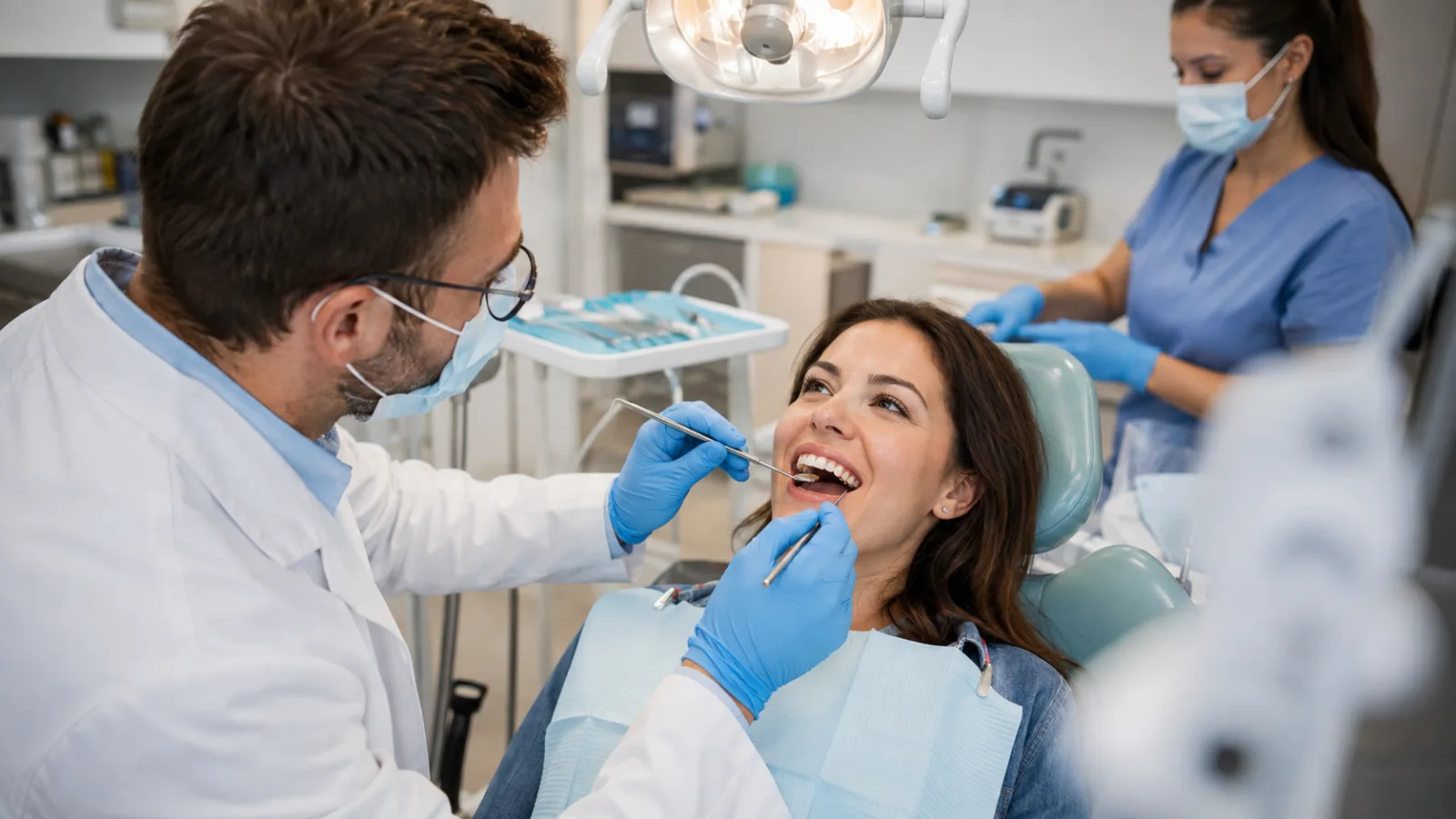
Missing teeth can affect much more than the appearance of a smile. They may make favorite foods harder to enjoy, change the way a person speaks, and leave someone feeling self-conscious in everyday situations. Implant dentistry offers several ways to rebuild a smile with replacement teeth designed for stability, comfort, and a natural appearance.
For patients exploring implant dentistry in Lititz, PA, understanding the available options can make the process feel less overwhelming. Dental implant treatment may replace one tooth, several teeth, or an entire arch. The right approach depends on oral health, bone support, personal goals, and other individual factors.
Clinical note: This article provides general educational information and is not a diagnosis or individualized treatment recommendation. A qualified dental clinician must examine the teeth, gums, bite, and supporting bone before determining whether implants are appropriate.
What Is Implant Dentistry?
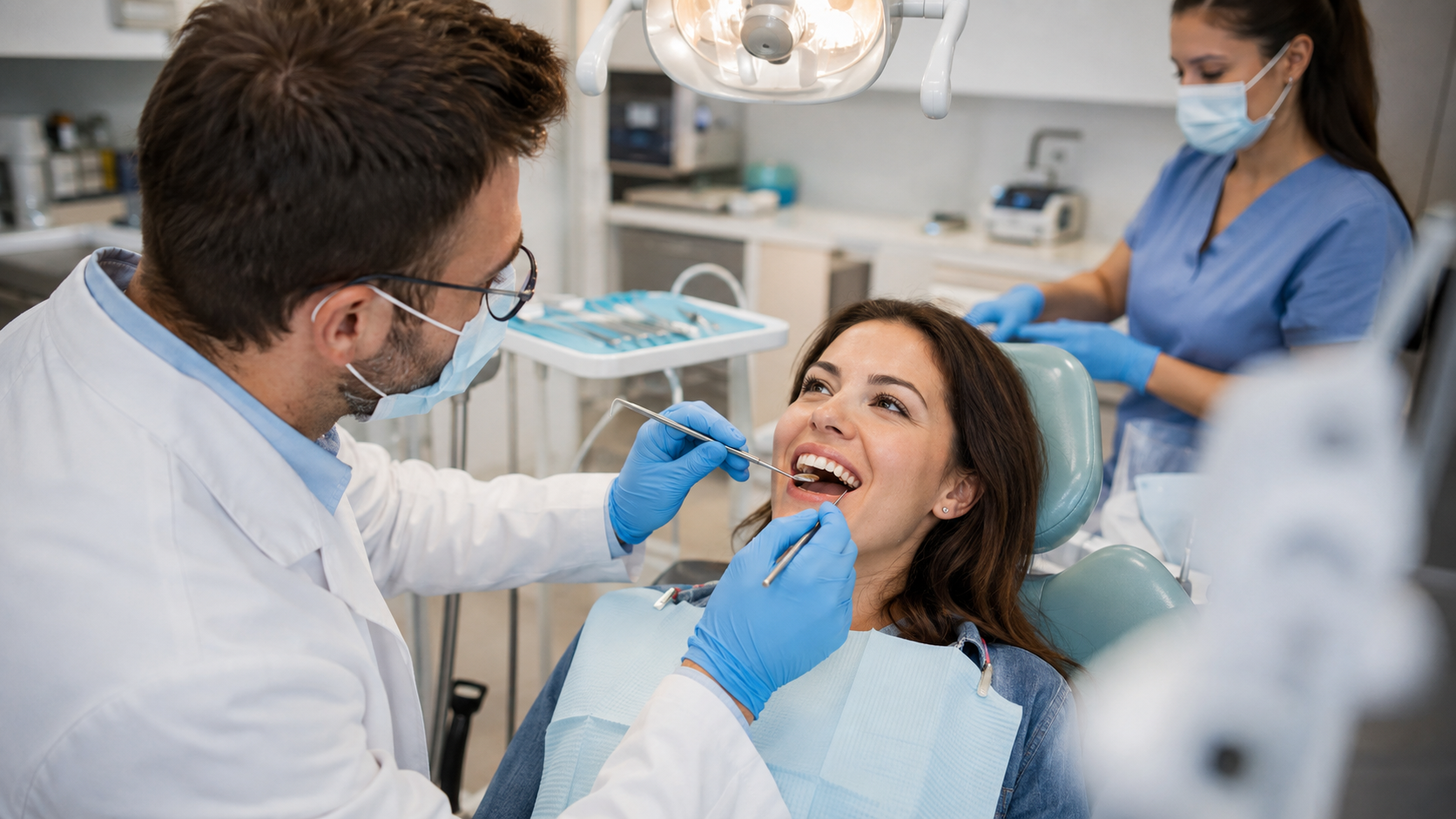
Implant dentistry focuses on replacing missing teeth with restorations supported by small implant posts placed in the jaw. In many cases, the implant acts as an artificial tooth root. A connector and custom-made restoration are then used to create the visible portion of the replacement tooth.
This design is different from a traditional removable denture, which rests on the gums, or a conventional bridge, which commonly relies on neighboring teeth for support. Because implant treatment can be adapted to different needs, it may support a single crown, a multi-tooth bridge, or a full-arch restoration.
Implants are not one-size-fits-all products. The number and location of implants, type of restoration, materials, and treatment sequence must be planned around the individual patient.
Common Dental Implant Options
Single-tooth implants
A single-tooth implant may be considered when one tooth is missing or cannot be predictably restored. Once the implant has achieved suitable stability and the area has healed, it can support a custom crown designed to blend with the surrounding teeth.
This option may allow the dental team to replace the missing tooth without using adjacent teeth as bridge supports. However, the condition of the neighboring teeth, available bone, bite forces, and location of the gap still influence the recommendation.
Implant-supported bridges
When several neighboring teeth are missing, an implant-supported bridge may replace the group of teeth. Not every missing tooth necessarily requires its own implant. The dental team determines an appropriate number and position based on anatomy, expected chewing forces, and the design of the final restoration.
Implant-retained dentures
Some removable dentures can attach to implants for additional support. This may reduce unwanted movement and help the denture feel more secure during speaking and eating. The denture remains removable for cleaning, and its fit and attachments require ongoing professional monitoring.
Fixed full-arch implant restorations
Patients who have lost most or all of the teeth in an upper or lower arch may be evaluated for a fixed full-arch restoration. A carefully planned group of implants supports a connected set of replacement teeth. Mor Dental Implant Center describes full-mouth options that may include All-on-4® and Teeth-in-a-Day approaches, although eligibility and the exact treatment sequence vary by patient.
“Teeth in a day” generally refers to receiving a temporary restoration on or near the day implants are placed. It does not mean that biological healing is complete or that every patient can receive an immediate restoration. The permanent teeth are provided only after the clinician determines that healing and implant stability are appropriate.
Who May Be Evaluated for Dental Implants?
Many adults with missing or failing teeth can request an implant evaluation, including people who have worn dentures for years. Candidacy cannot be determined from age or appearance alone. A clinician considers the full health picture before recommending treatment.
An implant assessment may include:
- The number and location of missing or damaged teeth
- Gum health and oral hygiene
- The amount and shape of available jawbone
- The way the upper and lower teeth meet
- Current medications and relevant health conditions
- Tobacco or nicotine use
- Past dental treatment and the condition of existing restorations
- The patient’s comfort preferences, priorities, and budget
Some patients need preliminary care before implant placement. Depending on the examination, this could involve treating active oral disease, removing a non-restorable tooth, or discussing a procedure to improve bone support. Needing an additional procedure does not automatically rule out implant treatment, but it can change the schedule, cost, and complexity.
What Happens During the Implant Process?
1. Consultation and diagnostic planning
The process begins with a conversation about concerns, health history, desired outcome, and previous dental experiences. A clinical examination and dental imaging help the team evaluate the mouth and plan implant position. Three-dimensional imaging may be used when the clinician needs a detailed view of the jaw and nearby anatomy.
This is also the right time to ask which alternatives are available. A thoughtful consultation should compare implant treatment with options such as a bridge or removable denture, including the benefits, limitations, maintenance needs, and expected fees of each.
2. Preparation, when needed
Any recommended preparatory treatment is completed before or in coordination with implant placement. Because every mouth is different, one patient may move directly to placement while another needs a staged plan.
3. Implant placement
During placement, the dental team uses the treatment plan to position the implant in the jaw. Local anesthetic is commonly used to numb the area. Comfort options should be discussed before treatment, particularly if the patient feels anxious or expects a more involved procedure.
Temporary teeth may be available in selected cases, but immediate loading is not appropriate for everyone. The clinician must consider initial implant stability, bone quality, bite pressure, and the type of restoration being planned.
4. Early symptom recovery
Early recovery refers to the period when temporary symptoms such as soreness, swelling, minor bruising, or tenderness begin to settle. This phase is not the same as complete healing. Patients should follow the practice’s instructions for eating, cleaning the area, using prescribed or recommended medication, and attending follow-up visits.
Severe or increasing pain, persistent bleeding, fever, spreading swelling, drainage, or difficulty breathing or swallowing warrants prompt professional attention. Breathing or swallowing difficulty may require emergency medical care.
5. Soft-tissue healing and osseointegration
Soft-tissue healing involves the gum tissue around the surgical area. Osseointegration is a separate, deeper biological process in which the bone establishes a stable connection with the implant surface. Research evaluates early implant stability separately from longer-term tissue health and function, underscoring that recovery occurs in distinct phases rather than all at once.
The time required varies with the treatment site, bone condition, procedures performed, general health, and implant stability. A patient should not assume that feeling comfortable means the implant has finished integrating.
6. Final restoration
The final crown, bridge, or full-arch restoration is completed after the dental team confirms that the implant and surrounding tissues are ready. This stage may involve digital or conventional impressions, bite records, a try-in, and adjustments for comfort and appearance.
Completion of the final restoration marks another phase of treatment, but it does not eliminate the need for maintenance. Implants and implant-supported teeth still require daily care and regular professional evaluation.
Comfort and Recovery Considerations
Feeling nervous about implant treatment is common. Patients can make the experience more manageable by sharing concerns before the procedure. The team can explain what will happen, how the area will be numbed, which comfort measures may be available, and what to expect after returning home.
Recovery instructions vary, but patients may be advised to choose softer foods at first, avoid disturbing the surgical area, and clean the mouth using the method demonstrated by the dental team. Tobacco and nicotine can affect oral tissues and healing, so patients should speak honestly with the clinician about current use.
No implant procedure is risk-free. Potential concerns can include infection, impaired healing, tissue inflammation, mechanical problems, or loss of supporting bone. Published clinical literature identifies inflammatory disease around implants as an important complication, which is one reason daily plaque control and professional follow-up matter.
How to Care for Dental Implants
Dental implants cannot develop cavities, but the gums and bone around them can become inflamed or diseased. Natural teeth elsewhere in the mouth also remain vulnerable to decay and gum disease. Consistent preventive care helps protect the entire smile.
Long-term care generally includes:
- Brushing thoroughly with a soft-bristled toothbrush
- Cleaning around and under implant restorations as instructed
- Using floss, interdental brushes, or other recommended tools
- Keeping professional cleaning and examination appointments
- Reporting looseness, bleeding, swelling, discomfort, or bite changes
- Using a protective appliance if one is recommended for grinding or clenching
The ideal cleaning method depends on the restoration. A single implant crown may require a different routine from an implant bridge or full-arch prosthesis. Patients should ask for a hands-on demonstration rather than guessing which tools will fit.
Questions to Ask at an Implant Consultation
An informed patient is better prepared to compare options and participate in treatment planning. Helpful questions include:
- Which implant option fits this situation, and why?
- Are there non-implant alternatives worth considering?
- Is any preliminary treatment recommended?
- Will temporary teeth be available during healing?
- Who will place the implants and complete the restoration?
- What is included in the treatment estimate?
- How will comfort be managed?
- What maintenance will the final restoration require?
- Which symptoms should prompt an urgent call?
Patients should receive a personalized plan before committing to care. Cost can differ substantially based on the number of implants, imaging, preparatory procedures, restoration materials, and whether treatment involves one tooth or a full arch. Financing and insurance questions should be discussed directly with the practice because coverage and eligibility vary.
Frequently Asked Questions
Is dental implant surgery painful?
The treatment area is typically numbed for implant placement, although sensations such as pressure may still occur. Some soreness and swelling can occur afterward. The experience varies by procedure and person, so patients should discuss anxiety, comfort options, and pain-management instructions with the treating clinician.
How long does the complete implant process take?
There is no single schedule for every patient. Early symptom recovery, gum healing, osseointegration, and placement of the final restoration are separate stages. The complete process depends on the number of implants, bone condition, need for preliminary procedures, implant stability, and type of replacement teeth.
Can someone receive a tooth on the same day as an implant?
Some patients may qualify for a temporary tooth or full-arch restoration around the time of implant placement. This depends on clinical conditions and does not mean integration is complete. The dental team must determine whether immediate loading is safe and appropriate.
Are implants an option after years of wearing dentures?
They may be. Years of denture use do not automatically prevent treatment, but the clinician needs to assess bone volume, gum health, medical history, and restorative space. Additional procedures or a modified treatment plan may be recommended.
How long do dental implants last?
Implant longevity varies, and no provider can guarantee a specific lifespan. Oral hygiene, tobacco use, health conditions, bite forces, restoration design, and professional maintenance may all influence long-term performance.
Does dental insurance cover implants?
Coverage varies by plan and by the services included in treatment. Some plans may contribute to certain diagnostic, surgical, or restorative steps while excluding others. Patients should request a written estimate and verify benefits, deductibles, annual limits, and exclusions.
Explore Implant Dentistry in Lititz, PA
Choosing a tooth-replacement option is a personal decision. A well-planned consultation can help a patient understand the condition of the mouth, compare realistic alternatives, and decide on a comfortable next step without feeling rushed.
Mor Dental Implant Center provides implant-focused care at 245 Bloomfield Drive, Suite 211, in Lititz, PA. Patients interested in replacing one tooth, stabilizing a denture, or exploring a full-mouth solution can contact the practice to schedule an evaluation, ask questions, and receive recommendations based on their individual needs.