
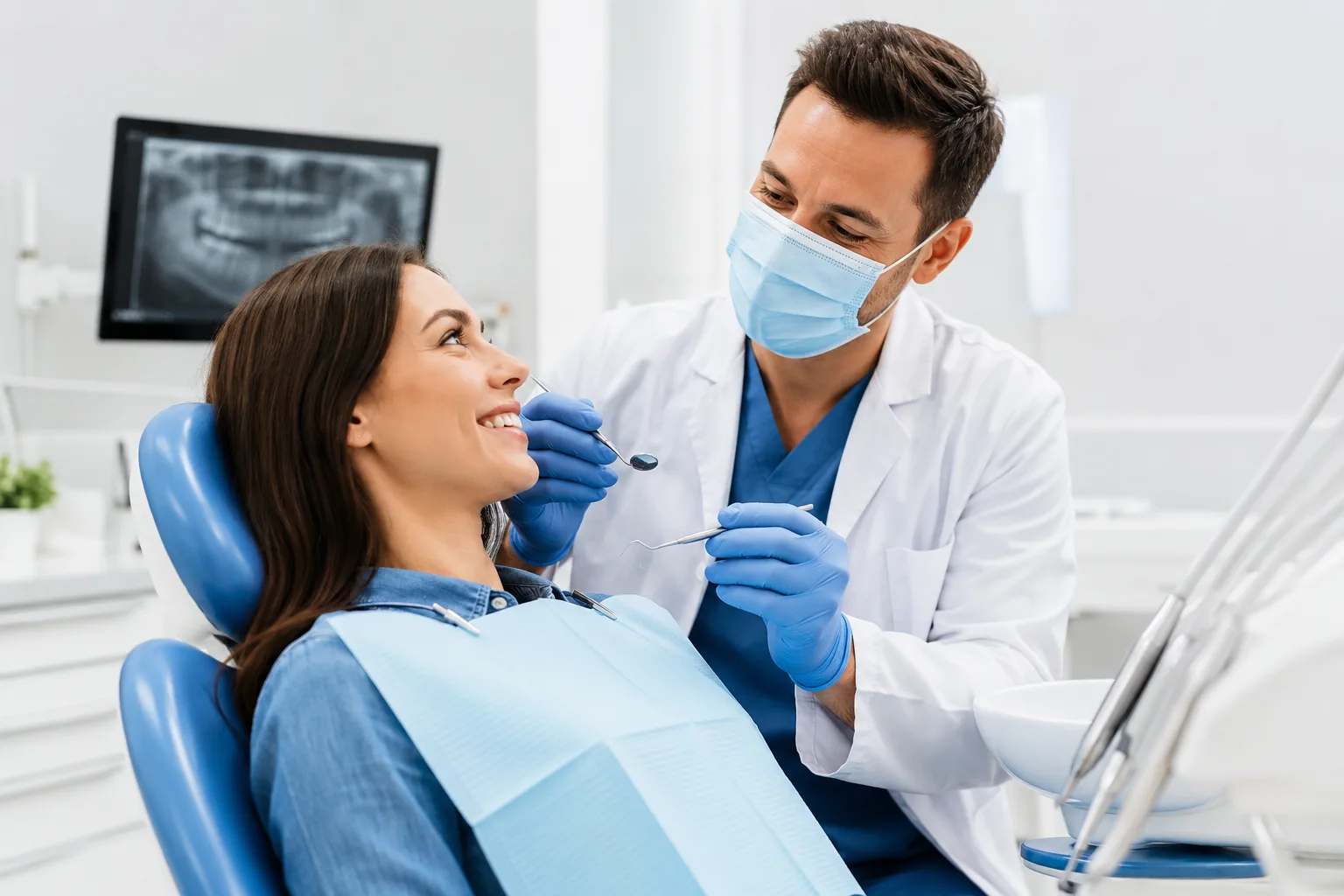
Living with many missing, loose, or badly damaged teeth can make everyday activities feel difficult. Eating may become uncomfortable, speaking can require extra effort, and smiling may no longer feel natural. For some patients, Teeth in a Day offers a way to replace an entire row of teeth with dental implants and a fixed temporary restoration placed during the same appointment.
The name sounds simple, but the treatment involves careful planning before the procedure and an important healing period afterward. Understanding each stage can help patients exploring Teeth in a Day in Lititz, PA, set realistic expectations and ask informed questions.
This article provides general educational information and is not a diagnosis or personalized treatment recommendation. A qualified dental professional must evaluate oral health, medical history, and imaging to determine whether implant treatment is appropriate.
What Does “Teeth in a Day” Mean?
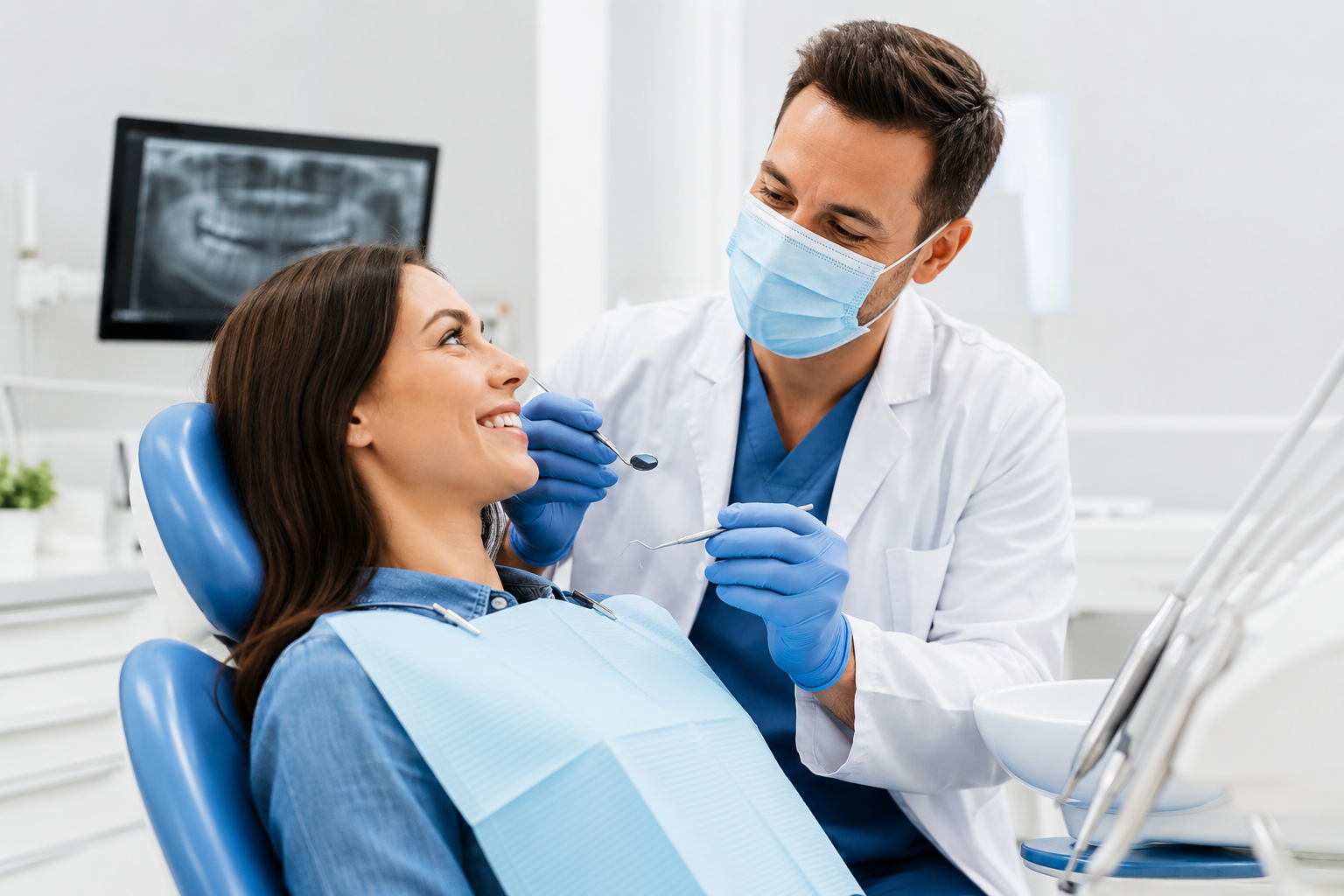
Teeth in a Day generally describes a full-arch dental implant procedure in which several implants support a complete row of replacement teeth. Depending on the treatment plan, the dentist may remove failing teeth, place the implants, and attach a temporary fixed bridge during one coordinated visit.
“Fixed” means the patient does not remove the bridge at home as they would a traditional denture. The restoration is secured to the implants, helping it feel more stable when speaking and eating approved foods.
However, “in a day” does not mean the entire biological and restorative process finishes that day. It usually means a patient can leave with a temporary set of teeth rather than waiting through the healing period without a fixed restoration.
How Teeth in a Day Works
1. Consultation and digital planning
Treatment begins with a detailed evaluation. The dental team reviews the patient’s concerns, smile goals, dental history, medications, and general health. Imaging helps the clinician examine available bone, important anatomy, existing teeth, and potential implant positions.
This planning stage also gives the patient an opportunity to discuss appearance, comfort, maintenance, costs, and alternatives. A personalized plan may involve one arch or both arches, depending on the condition of the teeth.
2. Preparation and implant placement
On the procedure day, the clinical team prepares the mouth according to the treatment plan. Teeth that cannot be predictably restored may be removed, and dental implants are placed in carefully selected areas of the jaw.
Dental implants act like anchors for the replacement bridge. The number and position of implants vary because jaw anatomy and restorative needs are different for every patient.
3. Placement of temporary teeth
If the implants have enough initial stability and the clinical conditions are appropriate, a temporary fixed bridge may be attached that day. The bridge is designed to protect the treatment area while giving the patient functional and natural-looking teeth during healing.
Same-day loading is not appropriate in every case. If implant stability, bone quality, or another clinical factor creates concern, the dentist may recommend a different temporary option. Changing the plan for safety does not necessarily mean the treatment has failed.
4. Healing and final restoration
Several different phases occur after surgery, and they should not be confused:
- Early symptom recovery: Swelling, tenderness, bruising, and minor bleeding typically improve as the mouth begins recovering from the procedure. Patients should follow their clinician’s instructions and report symptoms that are severe or worsening.
- Soft-tissue healing: The gums continue to close and adapt around the implant sites after the initial discomfort subsides.
- Osseointegration: The jawbone gradually forms a stable connection with the implant surfaces. This biological process continues beyond the early recovery period.
- Final restoration: The permanent bridge is designed and delivered only after the dentist confirms that healing and implant stability are satisfactory.
The temporary teeth therefore serve an important purpose, but they are not automatically the final teeth. Follow-up appointments allow the team to monitor healing, evaluate the bite, and refine the appearance and fit of the future restoration.
Who May Be a Candidate?
Teeth in a Day may be considered for adults who have lost most or all teeth in an arch, have widespread tooth damage, or use dentures but want a more stable solution. The best candidate is not determined by age alone.
A dentist may evaluate:
- The number and condition of remaining teeth
- Jawbone volume and quality
- Gum health and active infection
- Smoking or nicotine use
- Diabetes control and other medical conditions
- Medications that may affect surgery or healing
- Teeth grinding or clenching
- The patient’s ability to maintain daily hygiene and follow-up care
Bone health concerns, including osteoporosis, do not necessarily rule out implants, but they require individual assessment. A systematic review of clinical studies involving osteoporosis and dental implants highlights why clinicians consider bone condition, implant stability, complications, and healing rather than relying on a single factor.
Some patients may need preparatory care or a modified approach before receiving implants. Others may be better served by conventional dentures, implant-supported removable dentures, staged implant treatment, or restoration of selected natural teeth.
Potential Benefits and Limitations
For an appropriate candidate, a full-arch implant restoration can provide several practical advantages:
- A fixed temporary smile may be available on the day of implant placement.
- The restoration does not rely on denture adhesive.
- Implant support can improve stability compared with a traditional removable denture.
- The size, shape, and shade of the replacement teeth can be planned around the patient’s facial features.
- One coordinated plan can address multiple failing or missing teeth.
Patients should also understand the limitations. Implant surgery involves recovery, dietary changes, maintenance, and long-term professional care. Complications can include infection, delayed healing, implant instability, gum problems, bite issues, or damage to the temporary restoration. No clinician can guarantee that an implant will integrate or that a restoration will last indefinitely.
The goal of a thorough consultation is to balance the possible benefits with the individual patient’s health, anatomy, expectations, and willingness to care for the restoration.
What to Expect During Recovery
The dental team provides instructions based on the procedure performed. Patients may be advised to use prescribed or recommended medications, keep the mouth clean in a specific way, avoid smoking, and choose foods that place minimal pressure on the temporary bridge.
A fixed temporary bridge can feel strong, but the implants beneath it are still healing. Following the recommended diet is important even when chewing feels comfortable. Hard, crunchy, sticky, or very chewy foods may overload the implants or damage the temporary teeth.
Patients should contact the dental office if pain or swelling worsens instead of improving, bleeding remains difficult to control, the bridge feels loose, medication causes a reaction, or there are signs of infection. Trouble breathing or swallowing and rapidly increasing facial swelling require urgent medical attention.
Caring for Full-Arch Implant Teeth
Implant-supported teeth cannot develop cavities, but the surrounding gums and bone still need protection. Plaque can collect around the implants and beneath the bridge, potentially leading to inflammation and loss of supporting tissue.
Home care may include a soft toothbrush, floss threaders, small interdental brushes, or a water flosser. The dental team should demonstrate which tools are safe and how to clean beneath the restoration without injuring healing tissue.
Regular maintenance visits are also essential. The dentist can evaluate the implants, gums, bite, screws, and bridge materials. Teeth grinding may require additional protection, such as a custom appliance. Long-term success depends on both professional monitoring and consistent care at home.
How Much Does Teeth in a Day Cost?
There is no single fee that applies to every patient. Cost may depend on whether one or both arches need treatment, the condition of existing teeth, the type of temporary and final restoration, the need for additional procedures, anesthesia or comfort options, and the complexity of the case.
Patients should request a written treatment plan that explains what is included. Helpful questions include whether the quoted fee covers extractions, imaging, temporary teeth, the final bridge, follow-up visits, and future maintenance. Dental and medical insurance coverage varies, so benefits should be verified for the specific plan rather than assumed.
Questions to Ask at a Lititz Implant Consultation
- Am I a candidate for immediate temporary teeth?
- Are any of my natural teeth worth preserving?
- What type of final restoration is recommended, and why?
- What happens if an implant does not achieve adequate stability?
- Which comfort or sedation options may be appropriate?
- What foods and activities should I avoid during healing?
- How will I clean beneath the bridge?
- What services are included in the treatment estimate?
- What ongoing maintenance should I expect?
A trustworthy consultation should leave room for questions and give the patient time to understand alternatives. Feeling informed is just as important as feeling excited about a new smile.
Frequently Asked Questions
Are Teeth in a Day the permanent teeth?
Usually, the teeth placed on the procedure day are a temporary fixed bridge. The final restoration is created after the clinician confirms appropriate healing and implant stability.
Is the procedure painful?
The treatment area is numbed during surgery, and comfort options may be available depending on the patient’s health and needs. Tenderness and swelling can occur afterward. The dental team should provide individualized instructions for managing discomfort safely.
Can failing teeth be removed and implants placed at the same visit?
That may be possible in selected cases. The decision depends on infection, bone condition, implant stability, anatomy, and the overall treatment plan.
Can a patient eat normally right away?
No. Patients generally need to follow a protective diet while the implants heal, even if the temporary bridge feels stable. The treating dentist will explain which foods are appropriate and when the diet can change.
What if there is not enough bone?
Limited bone does not automatically eliminate every implant option. The clinician may discuss additional procedures, alternative implant positions, a staged approach, or a different type of tooth replacement after reviewing diagnostic imaging.
How long do full-arch implant teeth last?
Longevity varies. Oral hygiene, gum health, smoking, grinding, medical conditions, bite forces, restoration materials, and professional maintenance can all affect the result. Regular examinations help identify problems early, but no restoration comes with a universal lifetime guarantee.
Explore Teeth in a Day in Lititz, PA
Teeth in a Day can shorten the time a suitable patient spends without fixed teeth, but it remains a carefully planned surgical and restorative process. The temporary smile is only one stage; healing, osseointegration, final restoration, and ongoing maintenance are equally important.
Patients considering full-arch dental implants can contact Mor Dental Implant Center to schedule a consultation in Lititz, PA. The visit offers an opportunity to review oral health, discuss personal goals, compare treatment options, and find out whether Teeth in a Day may be an appropriate next step.