Missing, damaged, or uncomfortable teeth can affect much more than a smile. They can make it harder to chew favorite foods, speak clearly, and feel confident in everyday moments. The good news is that modern dentistry offers more comfortable, natural-looking ways to rebuild teeth than ever before.
For patients searching for prosthodontics options in Lititz, PA, understanding the available treatments is a helpful first step. Prosthodontics is the area of dentistry focused on restoring and replacing teeth. That may include dental implants, crowns, bridges, dentures, implant-supported dentures, and more comprehensive smile rehabilitation.
Every patient’s needs are different. Some people need to replace one tooth. Others may be dealing with several missing teeth, older dental work, bite changes, or dentures that no longer fit well. A qualified dental clinician can evaluate oral health, bone support, gum health, bite function, and personal goals before recommending a treatment plan.
This article is for general educational purposes only and does not replace a professional dental exam, diagnosis, or personalized treatment recommendation. Patients with tooth pain, loose teeth, missing teeth, or concerns about dental treatment should consult a licensed dental professional.
Prosthodontics is a dental specialty centered on rebuilding smiles. The word may sound technical, but the idea is simple: prosthodontic care helps restore teeth so they look, feel, and function as naturally as possible.
Prosthodontic treatment may help patients who have:
In everyday terms, prosthodontics is about helping the mouth work better while also improving the appearance of the smile. The right solution depends on the number of teeth involved, the condition of the gums and jawbone, budget considerations, timeline, and the patient’s comfort preferences.
Patients often begin looking into prosthodontics because something has started interfering with daily life. A missing tooth may make chewing feel uneven. A cracked tooth may feel sensitive. Dentures may slip while talking or eating. Some patients simply feel ready to improve older dental work that no longer looks or feels right.
Modern prosthodontic care focuses on more than filling a gap. Dental teams also consider how the upper and lower teeth come together, how the jaw feels during chewing, and how replacement teeth can support facial shape and smile balance.
For many people, the most reassuring part is that treatment is not one-size-fits-all. There are removable options, fixed options, implant-based options, and phased treatment plans that can sometimes be completed step by step.
The best prosthodontic option depends on a patient’s oral health and goals. Below are some of the most common solutions patients may discuss during a consultation.
A dental crown is a custom-made covering that fits over a damaged or weakened tooth. It can help protect the remaining tooth structure while restoring shape, strength, and appearance.
Crowns are often considered when a tooth has a large filling, a fracture, heavy wear, or has been treated with root canal therapy. They may be made from ceramic, porcelain, zirconia, metal, or a combination of materials. Many modern crowns are designed to blend closely with natural teeth.
A crown may be a good fit when the tooth root is still healthy enough to support restoration. If the tooth cannot be saved, a dental implant or bridge may be discussed instead.
A dental bridge replaces one or more missing teeth by anchoring an artificial tooth to neighboring teeth or implants. Traditional bridges use crowns on the adjacent teeth for support. Implant-supported bridges use dental implants as anchors.
Bridges can help restore chewing ability, prevent nearby teeth from shifting, and improve smile appearance. They are fixed in place, meaning patients do not remove them at night like dentures.
One important consideration is that traditional bridges usually require reshaping the teeth on either side of the gap. For some patients, this is a practical and effective option. For others, especially when neighboring teeth are healthy, an implant may be worth discussing.
Dental implants are a popular option for replacing missing teeth because they replace the tooth root as well as the visible tooth. An implant is a small post placed in the jawbone. After healing, it can support a crown, bridge, or denture.
Patients often appreciate implants because they are stable, do not rely on neighboring teeth for support, and can feel more like natural teeth during chewing. Implants can be used to replace a single tooth, several teeth, or a full arch of teeth.
Not every patient is immediately ready for implants. A dental professional will evaluate bone volume, gum health, medical history, medications, and habits such as smoking. Some patients may need preparatory treatment, such as tooth extraction, bone grafting, or gum care, before implant placement.
Dentures remain an important prosthodontic option for many patients. A partial denture replaces some missing teeth while natural teeth remain. A full denture replaces an entire upper or lower arch.
Today’s dentures can look more natural and feel more comfortable than many people expect. They are often made with careful attention to tooth shape, gum color, facial support, and bite alignment.
Traditional removable dentures may be a cost-conscious solution, especially for patients who are not candidates for implants or who prefer a non-surgical approach. However, dentures can require adjustment over time because the gums and jawbone naturally change after tooth loss.
Implant-supported dentures combine the broader tooth replacement of dentures with the added stability of dental implants. Instead of resting only on the gums, these dentures attach to implants placed in the jaw.
This option may reduce slipping, improve chewing confidence, and help some patients feel more secure while speaking and smiling. Some implant-supported dentures are removable for cleaning, while others are fixed and removed only by a dental professional.
Patients who are frustrated with loose dentures often ask about this option. A consultation can determine whether there is enough bone support and which style may be appropriate.
Full-mouth restoration, sometimes called full-mouth rehabilitation, involves rebuilding or replacing many teeth at once. This approach may include crowns, implants, bridges, dentures, bite adjustments, or other procedures.
Patients may explore full-mouth restoration if they have extensive tooth wear, multiple missing teeth, failing dental work, bite problems, or long-term dental concerns that affect comfort and function.
This type of care is highly customized. The dental team may use photos, digital scans, X-rays, 3D imaging, bite records, and treatment planning tools to create a step-by-step approach. In many cases, treatment can be staged to make the process more manageable.
Choosing among prosthodontics options can feel overwhelming at first. A good consultation should make the decision clearer, not more confusing.
During an evaluation, the dental team may look at:
The conversation should include both benefits and limitations. For example, dental implants may offer excellent stability for many patients, but they require adequate bone and healing time. Dentures may be more affordable and less invasive, but they may need periodic relines or adjustments. Crowns can protect damaged teeth, but they require enough healthy tooth structure to support them.
When patients understand the “why” behind each recommendation, they can make more confident decisions.
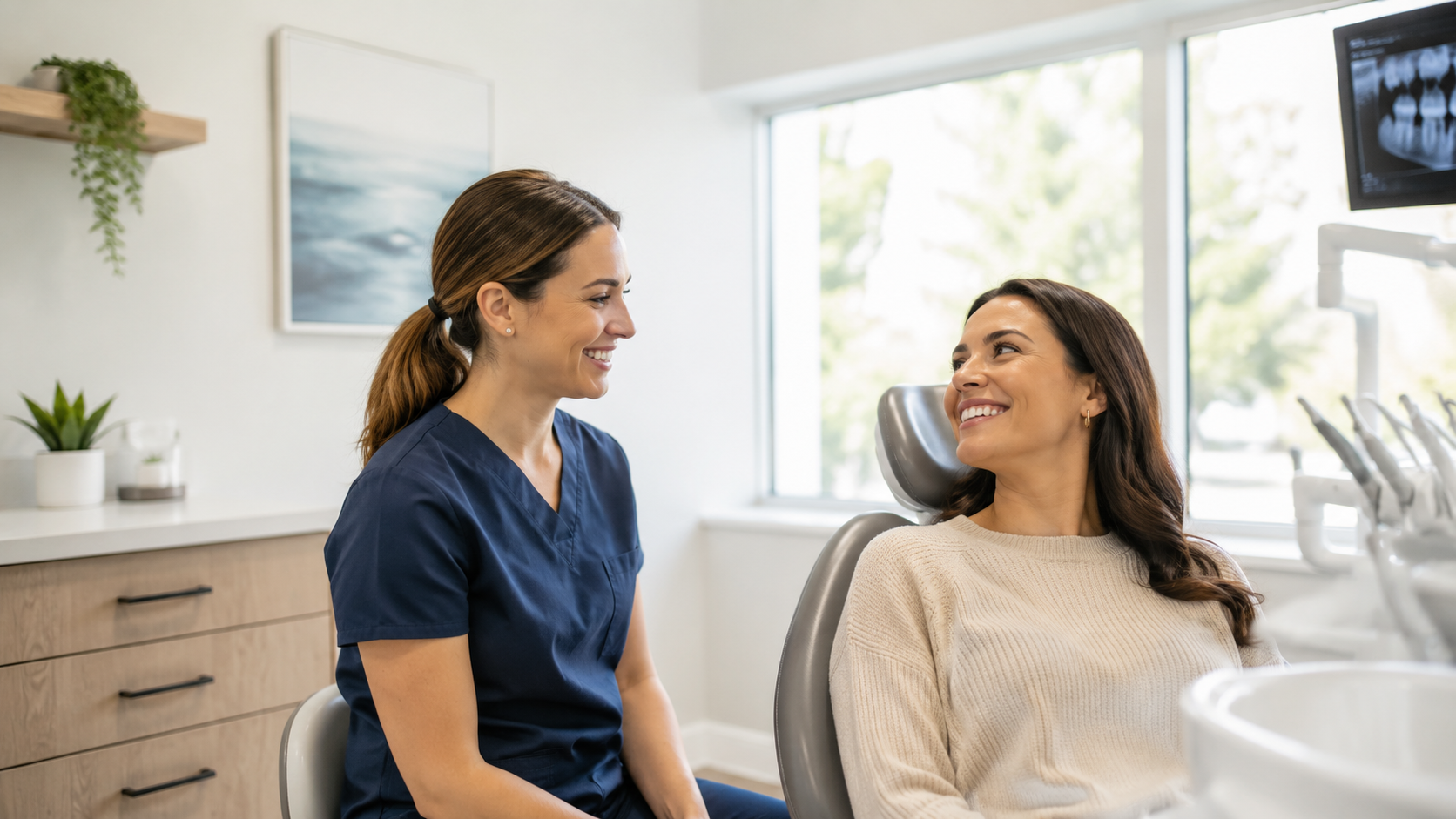
A prosthodontic consultation is usually a comfortable, information-gathering appointment. Patients can expect the dental team to listen to concerns, review dental history, examine the mouth, and discuss goals.
Depending on the situation, the visit may include digital X-rays, 3D imaging, photographs, impressions, or digital scans. These tools help the clinician see what is happening beneath the gums and plan treatment with greater precision.
Patients should feel welcome to ask questions such as:
No patient should feel rushed into treatment. A thoughtful plan should reflect oral health needs, personal priorities, and realistic expectations.
Many patients delay restorative dental care because they worry about discomfort, embarrassment, or a complicated process. Modern dental practices are often designed to make care feel calmer and more predictable.
Digital imaging can help with accurate planning. Intraoral scanners may reduce the need for traditional impression materials. Advanced materials can create strong, lifelike restorations. Local anesthesia and sedation options may also be discussed for patients who feel anxious or who need longer procedures.
Just as important, a compassionate dental team understands that tooth loss and dental damage can feel personal. Patients deserve respectful care, clear explanations, and treatment options that match their comfort level.
Prosthodontic treatment does not end when the crown, bridge, implant, or denture is placed. Long-term success depends on daily care and regular dental visits.
Patients can help protect their restorations by:
Even artificial teeth need maintenance. Gums, bone, implants, and neighboring natural teeth all benefit from ongoing professional care.
A general dentist provides a wide range of dental services, including preventive care, fillings, crowns, and often tooth replacement. A prosthodontist has advanced specialty training in restoring and replacing teeth, especially in more complex cases. Many patients receive prosthodontic-style treatments from experienced restorative dentists, while others may be referred for specialized care.
Dental implants and dentures serve different needs. Implants can provide strong, stable support and may feel more natural for many patients. Dentures can be a more affordable or less invasive option and may be appropriate when surgery is not preferred or recommended. The better choice depends on oral health, bone support, budget, timeline, and personal goals.
Treatment time varies widely. A crown or bridge may take a few appointments, while implant treatment can take several months because healing is part of the process. Full-mouth restoration may involve multiple phases. A dental clinician can provide a more accurate timeline after an exam and imaging.
Modern dental materials can create very natural-looking results. Color, shape, size, gumline, facial balance, and bite all play a role. While no dental treatment can guarantee a specific cosmetic outcome, careful planning can help restorations blend well with the smile.
Patients who have been missing teeth for a long time may still have options. The jawbone can shrink after tooth loss, so the dental team may need to evaluate bone volume and discuss whether bone grafting, implants, dentures, or another approach is appropriate.
Dental teams use local anesthesia and comfort-focused techniques to help patients feel at ease. Some soreness may occur after certain procedures, especially surgery, but the care team should explain what to expect and how to manage recovery. Patients should always report severe, worsening, or unexpected pain.
Cost depends on the type of treatment, number of teeth involved, materials used, imaging needs, surgical needs, and whether treatment is completed in phases. Patients should request a personalized estimate and ask about insurance coordination or financing options when available.
Exploring prosthodontics options in Lititz, PA is a positive step for anyone dealing with missing, damaged, or uncomfortable teeth. Whether a patient needs a single crown, a dental implant, a bridge, dentures, or a more complete smile restoration, modern dentistry offers many ways to restore comfort and confidence.
The best place to begin is with a personalized consultation. Mor Dental Implant Center can help patients ask the right questions, understand their options, and consider a plan that fits their health, goals, and lifestyle. For anyone ready to learn what may be possible, scheduling a visit is a gentle first step toward eating, speaking, and smiling with greater ease.
