Prosthodontics services in Lititz, PA, focus on restoring and replacing teeth to help patients regain a confident, healthy smile. This specialized dental care addresses issues like missing teeth, damaged teeth, and bite problems with custom solutions such as crowns, bridges, dentures, and implants. These treatments are designed to improve both function and appearance, making everyday activities like eating and speaking easier and more comfortable.
Patients can expect modern techniques and materials that prioritize comfort and durability, so their new dental work feels natural and lasts longer. The prosthodontist’s goal is to create a personalized treatment plan that fits each person’s unique needs and lifestyle, with attention to preventive care to maintain oral health over time.
Knowing where to find reliable prosthodontics services in Lititz means patients can take the first step toward better dental health and renewed confidence. If they have questions about what prosthodontics can do for their smile, consulting a local expert is the simplest way to get clear, tailored advice.
Prosthodontics focuses on restoring and replacing teeth using precise and customized treatments. It involves both function and appearance, improving how patients eat, speak, and smile comfortably.
Prosthodontics is a dental specialty that deals with designing and fitting artificial replacements for teeth and other parts of the mouth. This includes crowns, bridges, dentures, and dental implants. Prosthodontists are trained to handle complex cases involving damaged or missing teeth and jaw structures.
The goal is to restore oral function as naturally as possible while maintaining or enhancing aesthetics. Treatments often begin with detailed planning, including impressions and digital scans, to ensure perfect fit and comfort.
A prosthodontist undergoes extra years of training beyond general dentistry focused on tooth replacement and restoration. They have advanced skills in creating durable, comfortable prostheses tailored to each patient’s unique needs.
Patients benefit from their expertise in managing difficult cases like multiple missing teeth, injury repairs, and rehabilitating bite issues. Prosthodontists also work closely with other dental specialists to coordinate comprehensive care, ensuring functional and aesthetic success.
Prosthodontics services commonly treat tooth loss due to decay, trauma, or aging. Patients also seek care for cracked or worn teeth, uneven bites, and difficulties with chewing or speech.
Typical solutions include fixed crowns and bridges, removable dentures, and implant-supported restorations. Each option is designed to restore comfort, improve appearance, and prevent further dental problems.
Patients often notice better chewing ability and increased confidence after treatment, as prosthodontics improves both oral health and quality of life.
Restoring a smile is about more than fixing teeth; it’s about creating a look that feels natural and fits each person’s lifestyle. The process starts with detailed planning and the use of modern technology to preview changes before any work begins.
Each patient receives a detailed evaluation that looks at oral health, bone structure, and cosmetic goals. The prosthodontist designs a plan tailored to address specific needs, such as replacing missing teeth or improving bite function.
Factors like age, daily habits, and overall health are all considered. This personalized approach helps ensure the chosen restorations—crowns, bridges, dentures, or implants—will last and feel comfortable.
The plan also outlines steps, timelines, and costs, helping patients understand what to expect from start to finish. Clear communication keeps everyone on the same page, making the journey smoother and less stressful.
Digital tools allow patients to see a virtual preview of their future smile. Using photos, scans, and software, the dentist creates a 3D model to show how different treatments will change appearance.
This visualization makes it easier for patients to give feedback and make adjustments before any procedures. It also improves accuracy, reducing surprises during treatment.
By seeing possible outcomes in advance, patients feel more confident and involved in decisions. This technology bridges the gap between imagination and reality, enhancing trust and satisfaction.
Missing teeth can affect many parts of daily life, from eating to speaking to smiling confidently. Fortunately, modern prosthodontics offers several effective options that restore both function and appearance.
Dental implants are titanium posts surgically placed into the jawbone to replace tooth roots. Once integrated, they provide a stable foundation for crowns, bridges, or dentures. This stability allows patients to chew naturally and speak clearly without worrying about slippage.
Implants help preserve bone health by stimulating the jawbone, which prevents the shrinking often seen after tooth loss. They also look and feel like natural teeth, making them popular for those seeking a long-term, low-maintenance solution. The procedure involves careful planning and healing time but offers durable, lasting results.
Fixed bridges are dental appliances that fill gaps by anchoring artificial teeth to neighboring natural teeth. They are cemented in place and cannot be removed by the patient. This option restores the ability to chew and improves aesthetics in a straightforward manner.
Bridges usually require some alteration of adjacent healthy teeth to hold the bridge securely. They are less invasive than implants and often have a quicker treatment time. However, they don’t prevent bone loss in the area of the missing tooth. Regular dental visits are important to monitor the health of supporting teeth and the bridge itself.
Removable dentures replace multiple missing teeth and can be taken out for cleaning. They range from partial dentures, which fill some gaps, to full dentures that replace an entire arch. Dentures are a more affordable option and offer flexibility for patients.
Modern dentures are designed to fit comfortably with improved materials that mimic the look of natural gums and teeth. They restore basic functions like chewing and speaking, but may require adjustments over time. Proper cleaning and care are essential to maintain oral health and denture lifespan.
Cosmetic dental services in Lititz, PA aim to improve both function and appearance. Treatments focus on natural-looking results that restore teeth and brighten smiles. Comfort and durability are key factors in these personalized approaches.
Porcelain veneers are thin shells bonded to the front of damaged or discolored teeth. They effectively cover gaps, chips, and uneven surfaces for a smooth, uniform appearance. The material mimics the translucency of natural teeth, providing a realistic and polished finish.
The process usually requires two visits: one for consultation and tooth preparation, and another for placement. Veneers are durable, stain-resistant, and can last over a decade with proper care. Many choose veneers to quickly address multiple cosmetic issues without extensive dental work.
Professional teeth whitening treatments offer faster, safer, and more noticeable results than over-the-counter products. Lititz prosthodontists typically provide in-office whitening for an immediate boost, using high-concentration bleaching agents that brighten teeth several shades in one session.
They also offer take-home kits with custom trays for gradual enhancement. These options allow patients to control whitening while minimizing sensitivity. Regular touch-ups help maintain a bright smile and can be combined with other restorative procedures for comprehensive care.
Chipped or worn teeth can affect appearance and function over time. Prosthodontists in Lititz use bonding, crowns, or onlays based on the damage extent. Bonding applies composite resin directly to the tooth, shaping and hardening it for a quick fix.
For more severe damage, crowns or onlays protect and restore strength while matching the natural tooth color. These treatments improve bite efficiency and prevent further wear. The goal is to provide long-lasting results that look natural and blend seamlessly with surrounding teeth.
Maintaining prosthetic dental restorations takes consistent effort to ensure they last and function well. Proper habits and routine professional care both play vital roles in preserving your smile and oral health.
Daily cleaning is essential for restorations such as crowns, bridges, and dentures. Using a soft-bristled toothbrush and non-abrasive toothpaste helps prevent surface damage.
Flossing around restorations removes plaque that can cause gum irritation or decay beneath the restoration. Specialized floss or interdental brushes often work best in tight spaces.
Avoid hard or sticky foods that can chip or dislodge prosthetics. If you grind your teeth at night, a custom night guard can protect your restorations from excessive wear.
Rinsing with an antibacterial mouthwash can reduce harmful bacteria, protecting both natural teeth and prosthetic devices. Encourage gentle brushing and consistent care habits to extend restoration life.
Routine dental visits allow professionals to monitor restorations for wear, damage, or fit issues. Early detection of problems can prevent more extensive repairs later.
Your dentist will clean areas around prosthetics using tools designed to avoid damage. This professional cleaning is crucial since home care might miss certain plaque buildup.
Adjustments or relining of dentures might be necessary over time to maintain comfort and function. Restorations may also need replacement after many years depending on wear and oral changes.
Scheduling checkups every six months helps catch subtle issues before they become painful or costly. Regular visits keep your restorations effective and your mouth healthy.
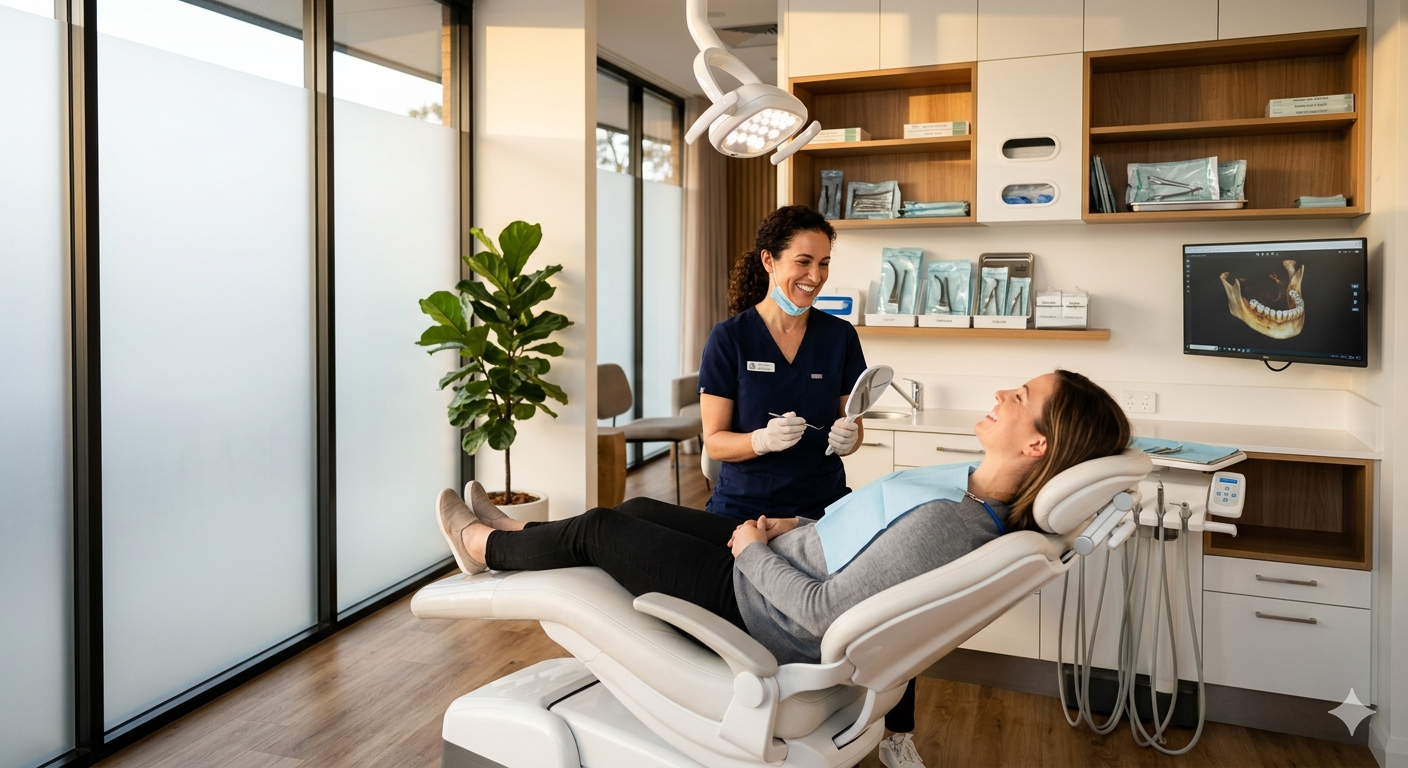
Patients can expect a calm, supportive atmosphere with clear communication and careful attention to their needs throughout each step of the visit. Technology and comfort work together to create a positive dental care experience focused on both effective treatment and patient ease.
Every visit in Lititz, PA, begins with a warm greeting and a review of your dental history to tailor care specifically to your needs. The clinic uses modern equipment designed to minimize discomfort, including ergonomic chairs and gentle anesthesia options when necessary.
During procedures like denture fitting or implant placement, the team regularly checks in to ensure you feel relaxed and pain-free. Soft blankets, noise-canceling headphones, or music can often be provided to enhance comfort. The goal is to reduce anxiety and make your prosthodontic care as smooth as possible.
The prosthodontic team consists of specialists, dental assistants, and office staff who work closely together. They take time to explain each step, from impressions and molds to the final placement of prosthetics, so patients know what to expect.
Staff members encourage questions and provide clear instructions for care before, during, and after treatment. This open dialogue helps build trust and ensures patients feel supported every step of the way. Friendly faces and a knowledgeable team make each visit welcoming and reassuring.
Modern prosthodontic care in Lititz, PA uses precise tools and quality materials to improve comfort and results. Patients benefit from digital accuracy and durable, lifelike restorations that blend well with natural teeth.
Instead of traditional molds, digital impressions create 3D images of your teeth using a small scanner. This process is quicker, less messy, and avoids the discomfort some feel with putty molds. The digital scans provide highly accurate detail, which helps in designing crowns, bridges, or dentures that fit perfectly on the first try.
These digital files can be instantly sent to dental labs or used with in-office milling machines, speeding up treatment time. For patients, this means fewer visits and a smoother overall experience. The technology also allows real-time review and adjustments, ensuring each appliance suits individual mouth shapes exactly.
Prosthodontists in Lititz use advanced materials like zirconia and porcelain fused to metal for restorations. Zirconia is known for its strength and durability while mimicking the translucency of natural teeth. Porcelain offers excellent aesthetic qualities, closely matching the color and texture of surrounding teeth.
Both materials resist staining and wear well under everyday chewing pressure. For patients worried about how their dental work will look or hold up, these options provide long-lasting, attractive solutions. The choice depends on location in the mouth, bite force, and cosmetic goals to ensure personalized care tailored to each smile.
In Lititz, prosthodontic care combines personalized treatment with a strong sense of community. Patients benefit from tailored services that reflect local needs and values.
Prosthodontists in Lititz focus on providing accessible, high-quality dental restorations. They work closely with patients to create treatment plans that fit individual lifestyles and budgets.
Their offices often collaborate with other local healthcare providers to ensure comprehensive care. From dentures to dental implants, the services emphasize comfort and durability.
Patients can expect appointments that respect their time and concerns. Many practices offer flexible scheduling and follow-up support, helping people maintain their oral health with ease.
Patients consistently praise the caring approach of Lititz prosthodontists. One shared how a custom denture restored not only their smile but also confidence in social settings.
Another patient noted how clearly the team explained each step of their implant procedure. This communication helped ease anxiety and made the process straightforward.
These testimonials highlight the focus on building trust and long-term relationships. The emphasis is on making patients feel heard, comfortable, and well cared for throughout their treatment journey.
Choosing prosthodontic services in Lititz, PA is a positive move toward restoring both function and confidence. Whether someone needs crowns, bridges, dentures, or implants, these treatments help rebuild a comfortable and natural-looking smile.
Many patients wonder what the first step is. Typically, it starts with a thorough dental evaluation. This allows the prosthodontist to understand individual needs and create a customized plan. They will discuss options, explain procedures, and address any concerns.
Here’s what patients can expect when beginning prosthodontic care:
| Step | Description |
|---|---|
| Initial Consultation | Review medical history and oral health |
| Diagnostic Imaging | X-rays or scans to assess bone and tissue |
| Treatment Planning | Personalized approach based on goals |
| Procedure Scheduling | Clear timeline for appointments and care |
| Follow-Up Visits | Monitoring healing and adjusting restorative fit |
Comfort and communication are priorities throughout the process. Prosthodontists often use the latest technology to reduce discomfort and improve results. Patients are encouraged to ask questions at any point to feel confident in their treatment.
Taking the next step means reaching out to a trusted specialist who values patient comfort and clear information. A simple consultation can open the door to a healthier, more comfortable smile.
Prosthodontic care involves specialized treatments to restore teeth and improve oral function. Understanding the differences in services, treatment options, durability, and comfort can help patients make informed decisions for their dental health.
A prosthodontist focuses on restoring missing or damaged teeth using crowns, bridges, dentures, and implants. Patients typically see a prosthodontist when complex restorative work is needed beyond routine dental care.
Dental implants are permanent and act like natural teeth roots. Bridges fill gaps by anchoring to nearby teeth, while dentures are removable replacements. The best choice depends on bone health, budget, and personal comfort.
Crowns and bridges usually last 10-15 years, dentures about 5-8 years with proper care. Good oral hygiene and regular dental visits improve their durability.
Procedures are performed using local anesthesia to minimize pain. Sedation options and gentle techniques help keep patients comfortable throughout treatment.
Ideal candidates have healthy teeth with cosmetic concerns like discoloration or minor damage. Significant decay, gum disease, or insufficient tooth structure might prevent veneers.
Costs vary: implants often cost more than bridges or dentures. Many dental offices offer payment plans, and some insurance plans cover parts of restorative treatments. Patients should discuss options to fit their budget.
